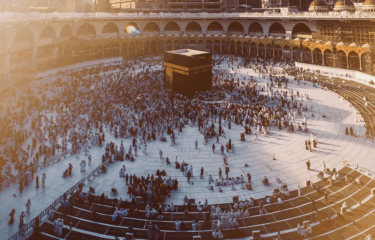









In the early hours before sunrise, you can already feel the movement. Pilgrims in white ihram make their way through terminals and transport hubs with quiet purpose. For centuries, this journey has been spiritual, emotional, and physical. In 2026, it’s also digital. The Smart Hajj 2026 experience in Saudi Arabia is reshaping how millions approach the pilgrimage, weaving technology into every step.
The goal isn’t to change the meaning of Hajj. It’s to make the experience more accessible, more organized, and more supported than ever before.
Smart and Scalable Transportation for Millions
Preparing for Hajj 2026 means preparing for scale. Saudi Arabia is expecting over 1.8 million pilgrims this season. Moving them safely and efficiently requires smart planning, and that’s where technology steps in.
Road transport will include about 33,000 buses and 5,000 taxis. These figures are part of a larger transportation strategy to minimize congestion and reduce delays.
More than 3.1 million airline seats have been allocated across 12,000 flights, with six major hub airports staffed by around 22,000 personnel. The integrated Hajj processing system completes key pilgrim procedures before departure rather than on arrival, using facial recognition, biometric screening, and mobile processing counters designed to reduce congestion during peak travel periods.
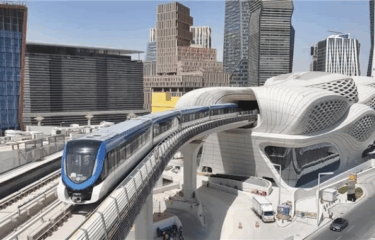
Rail networks are expected to carry millions of passengers, including more than 2 million riders on the Al-Mashaer Al-Mugaddasah Metro and over 2.2 million on the Haramain High-Speed Railway. For 2026, the metro is set to be even more efficient with the introduction of new scheduling systems and upgraded technology.
This level of smart transport for pilgrims is part of a broader Vision 2030 goal to transform Makkah and Madinah into smart cities.
Reinventing Infrastructure to Support Pilgrim Flow
Infrastructure is a quiet force behind the Smart Hajj 2026 experience in Saudi Arabia. The Roads General Authority has deployed an advanced fleet of road surveying equipment, equipped with high-resolution cameras and laser sensors capable of detecting surface defects to an accuracy of 0.05 millimetres, building a data-driven system designed to identify issues before they affect operations.
Smooth roads mean better pilgrim safety, especially during peak hours in heat and crowd density. These infrastructure upgrades are critical in ensuring that the increased number of Hajj visitors move efficiently between sites.
The Ministry of Municipalities has confirmed full readiness across more than 73 million square metres of infrastructure, including 123 bridges and 44 tunnels in Mina, Arafat and Muzdalifah, supported by over 22,000 field personnel operating around the clock.
Smart sensors monitor traffic and road performance in real time, feeding into AI-powered control centers that oversee key travel routes and make rapid adjustments as needed.
As part of these wider mobility improvements, 74 escalators have also been installed across Mina to support pilgrim movement between accommodation areas and essential service points. Introduced in phases over three years, the escalators are positioned along some of the busiest pedestrian routes to ease walking strain, reduce congestion, and support smoother movement during peak pilgrimage periods.
AI and Robotics at the Heart of Smart Hajj
Technology in Hajj is not just about getting from one place to another. It’s also about improving safety, response, and support.
The Kingdom continues to deploy a wide range of high-tech solutions, including AI-powered surveillance, crowd monitoring, and safety analytics. These systems help reduce incidents, ensure faster medical response, and guide authorities in real-time decision-making.
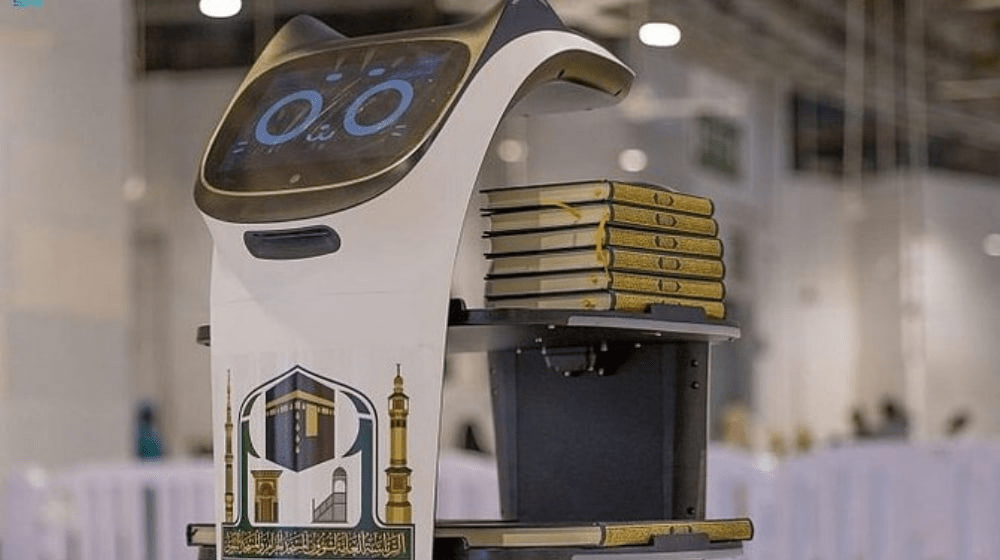
One of the standout deployments is Manarah 2, an AI robot positioned across key locations that provides real-time information and assistance to pilgrims in more than 20 languages. These robots are especially helpful for elderly pilgrims or those visiting for the first time.
AI-powered crowd management systems deploy advanced camera technology to monitor crowd density at Jamarat and Tawaf, with real-time alerts pushed to the Nusuk app. Smart screens and kiosks offer location-specific Hajj guidance. Whether someone is in Mina or near the Jamarat Bridge, they can access instructions, maps, or videos in their language at the tap of a screen.
Nusuk App and Card: The Digital Companion
At the center of the Smart Hajj 2026 experience in Saudi Arabia is the Nusuk platform. The app, developed under Vision 2030’s digital transformation agenda, integrates everything a pilgrim might need. Travel details, booking confirmations, health records, guidance videos, and prayer timings are available in one place.
The Nusuk Card, mandatory for all Hajj 2026 participants, functions as a digital identity and service pass, linking pilgrims to their booked packages, health insurance, and real-time guidance. It replaces paper-based documentation and is required for entry into key sites such as Mina, Arafat, and Muzdalifah. The Ministry of Hajj and Umrah has also introduced innovative smart sensor systems in Mina directly linked to the Nusuk Card, to regulate pilgrim movement through real-time data: a first-of-its-kind technological integration aimed at enhancing crowd management efficiency.
Saudi Arabia has also expanded digital services for Hajj pilgrims through the Tawakkalna app, allowing beneficiaries of the Makkah Route Initiative to access and display their Hajj permits electronically before departing from their home countries. Nusuk Care Centers remain set up in key locations, staffed with multilingual agents offering in-person support. This helps bridge the digital divide and ensures that those unfamiliar with apps still receive help when they need it.
Comfort and Care from Arrival to Farewell
Saudi Arabia has introduced new services focused on easing the journey from airport to accommodation. Premium Hajj lounges in major airports now welcome pilgrims with refreshments, orientation, and luggage services. Ahead of Hajj 2026, a new luggage shipping service also allows pilgrims to send their bags directly from their home country or arrival ports to their accommodation in the Kingdom, reducing the need to carry luggage throughout the journey and improving overall travel comfort and mobility.
A unified helpline—19929—operates round the clock, responding to queries about routes, rituals, safety, and emergencies. With inspection teams stationed at high-traffic zones, there is continuous monitoring and support throughout the pilgrimage.
During Hajj, large crowds can sometimes separate pilgrims from their groups or accommodation areas. To support pilgrims in these moments, Saudi authorities provide free help vehicles around key areas including Masjid al-Haram and Al-Masjid an-Nabawi. Often marked with signs such as Nusuk Care or Pilgrim Help, these services assist pilgrims in reaching their hotel, camp, or correct destination safely. Pilgrims are also encouraged to approach nearby police officers, volunteers, or guidance teams whenever assistance is needed.
The combination of smart systems and human support is a key feature of the Smart Hajj 2026 experience in Saudi Arabia. It allows the country to scale its services while keeping care at the center.
Dealing with the Unrelenting Desert Heat
Saudi Arabia is introducing a range of heat-mitigation measures as part of its Hajj preparations, especially as climate patterns shift with the lunar calendar bringing cooler seasons in the coming years. Over the next cycle, Hajj will gradually move through spring, winter, autumn, and eventually return to summer in roughly 25 years, offering pilgrims changing weather conditions across generations.
To support pilgrims in extreme temperatures, new hands-free cooling umbrellas have been introduced, allowing people to move, rest, and perform rituals while staying shaded and comfortable in heat exceeding 40°C. At key ritual sites, infrastructure upgrades are also strengthening crowd comfort. The Kidana Development Company has enhanced cooling systems at Jamarat by replacing older spray columns with modern misting fans capable of serving hundreds of thousands of pilgrims per hour, alongside expanded shaded rest areas along major walking routes.
A Journey Made Easy for All the Right Reasons
You can feel the change when you land. The process is smoother. The instructions are clear. The support is visible.
The Smart Hajj 2026 experience in Saudi Arabia doesn’t replace the journey—it strengthens it. It gives pilgrims space to focus on what matters while knowing that systems, teams, and technology are working behind the scenes to keep them safe and supported.
And as Saudi Arabia looks to the future, this blend of tradition and innovation is shaping a new era of pilgrimage.
FAQs
What is the Smart Hajj 2026 experience in Saudi Arabia?
It refers to the integration of technology and services to improve transportation, safety, and pilgrim support during Hajj 2026.
How is Saudi Arabia using smart technologies during Hajj?
Saudi Arabia has introduced AI surveillance, the mandatory Nusuk Card, biometric screening, smart sensors in Mina, and the Manarah 2 multilingual AI robot to assist pilgrims.
What role does the Nusuk app play in Smart Hajj?
The Nusuk app centralizes pilgrim services like itinerary tracking, health updates, and Hajj guidance. It works alongside the Nusuk Card and Tawakkalna.
How is Hajj transportation being managed in 2026?
The Kingdom has deployed about 33,000 buses and 5,000 taxis, along with the Haramain High-Speed Railway and the Al-Mashaer Al-Mugaddasah Metro. Roads have been upgraded using precision survey technology for safety and smoother travel.
What infrastructure has been updated for Hajj 2026?
Over 73 million square metres of infrastructure have been confirmed ready, including 123 bridges and 44 tunnels across Mina, Arafat, and Muzdalifah. A data-driven road surveying system now monitors and maintains key Hajj routes in real time.
Follow us on Instagram for daily travel inspiration and untold stories from the Kingdom. Want more? Explore more experiences and stories in our Religious and Spiritual category.
This article is brought to you by Soul of Saudi (a Saudi travel blog dedicated to uncovering the beauty, heart, and soul of the Kingdom).