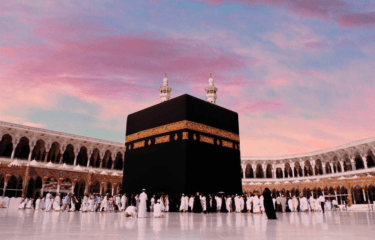










In a milestone reaffirming women’s autonomy, Saudi women will be able to travel without a male guardian in 2025. Saudi Arabia now officially allows women to apply for passports and travel abroad independently without male guardian permission as early as age 21. This landmark change empowers countless women to pursue education, work, pilgrimage, or exploration at will.
This is not just legal reform. It opens pathways for spiritual journeys, solo tourism, and professional mobility for women across the Kingdom. The law removes the longstanding mahram requirement and aligns Saudi Arabia with evolving global norms while respecting Islamic values and societal context. The move reflects Vision 2030’s commitment to promoting economic participation, cultural openness, and inclusive growth.
The Cultural and Religious Context
Guardianship has deep roots in Saudi culture and jurisprudence. Traditionally, a male guardian, usually a father, husband, or son, held authority over a woman’s decisions regarding travel, marriage, and identity. These rules were originally intended to ensure protection and social order.
Yet over time, guardianship came to limit women’s rights. Beginning in 2019, reforms granted Saudi women over 21 the right to travel, apply for passports, and access government services without a guardian’s consent. In 2025, regulations expanded to allow women to perform Umrah and Hajj independently, marking profound shifts in both legal and religious practice.
Islamic scholars have offered differing interpretations of travel restrictions. Many support reform, citing Quranic principles of agency and justice under Islam. Others encourage women to travel in groups for religious comfort and safety. Saudi religious authorities now permit solo Umrah and Hajj, while encouraging ethical guidelines and spiritual readiness. [turn0search6] [turn0search0]
What Has Changed?
Women aged 21 and above can now obtain passports and visas, including tourist, work, or Umrah, without guardian approval. Widowed, divorced, or separated women can travel alone without seeking consent. Foreign women married to Saudis apply through the same passport and visa channels, regardless of gender or marital status.
Hotels and tourism services no longer require women to prove a guardian relationship upon check-in. This policy shift enhances the ease of travel for solo female visitors.
Visa and passport issuance is now gender-neutral and accessible via platforms like Absher, though guardian-reporting alerts within that system still exist for some cases.
Why This Matters?
The ability to travel independently is a transformative leap:
- Professional mobility: Women can pursue study, work, or business internationally without family oversight.
- Cultural participation: Solo tourism, study abroad programs, and spiritual journeys are now accessible platforms for women.
- Societal confidence: The reform asserts women’s dignity and reflects a Kingdom ready to grow through full gender inclusion.
- Religious autonomy: Performing Umrah or Hajj solo or with women-only groups respects tradition while promoting spiritual equality.
- Symbiosis with Vision 2030: More women can now contribute to an expanding economy in tourism, education, health, and entertainment sectors.
The Islamic Undertone
Islam encourages purposeful travel, education, and spiritual growth. Solo travel for adults does not inherently violate sacred teachings when guided by safety and intention. Contemporary Islamic scholars emphasize consent with due preparation:
- Women are advised to travel in groups, especially to religious sites, for mutual trust and communal faith.
- Proper conduct, modesty, and adherence to Islamic etiquette are encouraged.
- National guidelines for Umrah now include women-friendly services, female-only transport, and licensed accommodations.
Ultimately, legal changes underscore that Islamic jurisprudence can evolve with context, safeguarding safety and autonomy.
Remaining Constraints & Caveats
Despite reform, remnants of guardianship endure:
- Guardians can still challenge a woman’s absence legally through accusations of “taghayyub” or disobedience, impacting inheritance, marriage, or family status.
- Women activists advocating reform, like Manahel al‑Otaibi, remain imprisoned under terrorism charges, highlighting that accountability and speech remain pressured.
- Travel bans reportedly affect female activists returning home even after serving prison terms.
- Guardianship rules persist in family law matters like marriage, divorce, and institutional admission.
Key Figures & Reform Timeline
| Year | Reform |
| 2019 | Women over 21 granted passport and travel rights without permission. |
| 2021 | Women allowed to perform Umrah solo if traveling with a group of women or above the age threshold. |
| 2025 | Official end of the mahram rule for visas and travel; unified policy across Hajj, Umrah, and tourism. |
| 2025+ | Hotels and immigration procedures no longer require proof of guardian companionship. |
Travel, Dignity, & Saudi Vision 2030
Allowing Saudi women travel without male guardian is a momentous shift that is rooted in faith, aligned with Vision 2030, and heeding the voices of women across the Kingdom. This change lights the way for empowerment, global connection, and spiritual freedom.
With travel autonomy, Saudi women take steps boldly into self-determined lives: choosing when to explore, where to learn, and how to grow. May this evolution continue, embracing both tradition and justice, with wisdom and compassion guiding every flight and every step.
FAQs
At what age can Saudi women travel alone?
Women aged 21 and older can apply for passports and travel without a male guardian’s consent.
Can divorced or widowed women travel solo?
Yes. All women—single, divorced, widowed, or separated—can now travel independently.
How are foreign women married to Saudis affected?
Passport issuance is gender-neutral. Foreign spouses apply for passports and visas under the same conditions as male applicants.
Have hotel and visa policies changed, too?
Yes. Women no longer need to prove a male guardian relationship when checking into hotels or applying for visas or entry.
Is Umrah or Hajj allowed without a guardian?
Yes. Saudi Arabia now officially permits women to perform Umrah and Hajj without a mahram, adhering to new safety protocols.
Are there religious reservations about this?
While some scholars recommend women travel in groups for comfort, Saudi clerics support women’s right to travel independently as long as protections are in place.
Follow us on Instagram for daily travel inspiration and untold stories from the Kingdom
Want more? Explore more experiences and stories in our Tourism and Hospitality category.
This article is brought to you by Soul of Saudi (a Saudi travel blog dedicated to uncovering the beauty, heart, and soul of the Kingdom)