








A silent revolution is sweeping through the Gulf’s financial landscape. It began with the unveiling of the official Saudi Riyal symbol. This move sparked a new wave of monetary branding across the region. Now, the Sultanate of Oman has followed suit. They launched a unified symbol for the Omani Rial. This collective momentum establishes the Saudi Riyal influence on Gulf currency identity as a major regional trend. This movement bridges the gap between deep cultural heritage and the demands of the modern digital economy.
The Saudi Riyal’s Cultural Benchmark
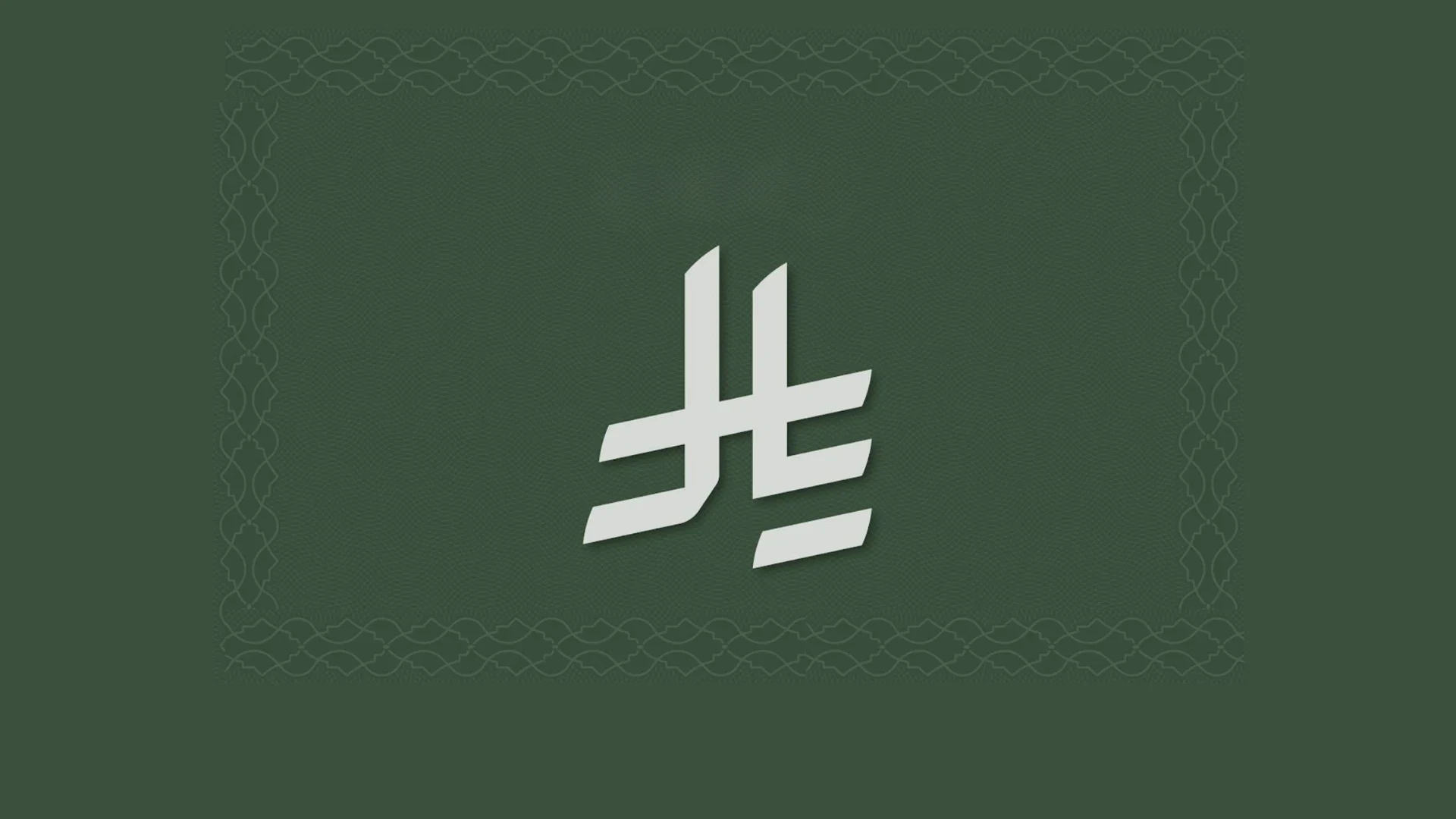
The adoption of an official symbol for the Saudi Riyal (SAR) was a strategic national milestone. Approved by King Salman, the symbol immediately reinforced the Kingdom’s financial identity worldwide. Its design concept is deeply rooted in heritage. It draws inspiration directly from Arabic calligraphy. This celebrates the Kingdom’s cultural identity through its native language. The visual elements represent the Arabic letters of the word “Riyal”.
This step was central to Saudi Arabia’s Vision 2030 goals. It aimed to strengthen the Riyal’s presence regionally and internationally. You can trace this trajectory of economic evolution by exploring the full history of the Saudi Riyal.
By linking finance with its cultural foundation, Saudi Arabia highlighted its economic role. The Kingdom acts as a bridge connecting global trade. This focus on cultural identity in currency symbols set an immediate standard. The Saudi Riyal influence on Gulf currency identity established a powerful precedent. It proved that modernization must be guided by heritage.
Oman’s Vision 2040: Heritage Meets Modern Finance
Following Saudi Arabia and the UAE, the Central Bank of Oman (CBO) officially launched the Omani Rial symbol. This achievement embodies Omani identity. It elevates the currency’s standing in global markets. The CBO Governor, Ahmed Ja’afar Al Musalami, affirmed that this adoption is strategic. It strengthens Oman’s position as a promising global financial hub.
The symbol’s design intentionally carries cultural and civilizational value. It draws inspiration from Oman’s rich heritage. It reflects centuries of trade and economic activity. Governor Al Musalami emphasized that the new symbol is not just a visual identity. It is a tool designed to reinforce Oman’s economic narrative. This strategic move aligns closely with Oman Vision 2040. It emphasizes innovation and keeping pace with rapid global developments.
The move reflects the maturity of Oman’s financial system. This boosts confidence for international investors. The symbol facilitates international exchange operations. It deepens global acknowledgment of the Omani Rial as a strong and stable currency.
UAE’s Digital Leap: The Dirham’s Global Identity
The UAE Central Bank (CBUAE) also unveiled a new symbol for the UAE Dirham (AED). This move completed the trifecta of modern Gulf currency identities. The Saudi Riyal influence on Gulf currency identity created a clear pathway for the UAE. The nation sought to enhance its currency’s global recognition.
The Dirham symbol is based on the English letter ‘D’. It features two horizontal lines running across it. These lines are inspired by the UAE flag. They symbolize stability, strength, unity, and progress. The design blends national identity with innovation. The pointed curves are inspired by the flowing elegance of classical Arabic calligraphy.
This new symbol is integral to the UAE’s preparations for the Digital Dirham. It ensures the currency works seamlessly across digital wallets. The CBUAE was the first central bank in the region to join the FX Global Code. The new Dirham symbol supports this commitment to global financial standards. This focus on a clear identity supports the UAE’s goal of digital leadership.
A Unified Gulf Narrative: Why Identity Matters Now
The convergence in currency branding across the GCC is highly strategic. It is not a coincidence that Saudi Arabia, the UAE, and Oman all prioritized this identity shift. This initiative highlights the critical role of the Saudi Riyal influence on Gulf currency identity in setting the regional agenda. All three nations share fundamental goals.
- Digital Standardization: The symbols standardize the currencies across all banking systems. This is crucial for simplifying international exchange operations.
- Global Recognition: A distinct symbol boosts global recognition. It reinforces confidence among international investors.
- Cultural Branding: Each symbol visually anchors modern finance to a deep cultural narrative. Saudi Arabia uses calligraphy. The UAE uses its national flag. Oman uses its rich trading history. This mirrors the Kingdom’s broader efforts to uncover and preserve new archaeological sites in Saudi Arabia.
This regional synchronization shows that the Gulf is moving as a unified economic force.
The Symbols and Their Stories
The design philosophies of the three symbols tell distinct but connected stories of national pride.
- Saudi Riyal (SAR): The design is an ode to the foundation of Arab culture: Arabic calligraphy. It is a celebration of the language that birthed the Kingdom’s history.
- Omani Rial (OMR): The symbol is a tribute to Oman’s expansive history of trade. It serves as a contemporary extension of a deep-rooted economic narrative.
- UAE Dirham (AED): The design is a futuristic nod to national unity and modernity. It visually represents the letter ‘D’ infused with the patriotic lines of the flag.
Together, these symbols showcase the region’s commitment to strategic branding. They confirm that economic success is inseparable from cultural identity.
Securing the Digital Future
A unified symbol is a prerequisite for seamless integration into the global financial technology architecture. The symbols must be integrated into the Unicode Standard. This ensures they appear correctly on all digital platforms worldwide. The adoption of these symbols makes the Riyal, the Dirham, and the Rial “digital-ready.”
This modernization supports increased trust and stability. The Omani Rial’s new symbol reflects the maturity of Oman’s financial system. The UAE Dirham’s update reinforces its commitment to global standards. For investors, these symbols reduce friction in international transactions. This strengthens confidence in the stability of the currencies.
The Governor of the CBO emphasized that the symbol will help solidify the presence of the Omani Rial on digital platforms worldwide. This demonstrates the shared vision for digital dominance.
The Global Financial Hub & Regional Cooperation
The combined efforts confirm the Gulf’s trajectory toward becoming a dominant global financial hub. The Saudi Riyal influence on Gulf currency identity has set a standard of professionalism. This alignment enhances consistency across banking systems. It supports the professional presentation of the entire region’s commercial communications.
This shift is rooted in the individual national visions. Oman Vision 2040 emphasizes innovation. Saudi Vision 2030 targets a diversified, leading economy. The UAE focuses on digital transformation. Their synchronized currency branding shows their collective ambition. This strategic cooperation mirrors historical cross-border ambitions like the Riyadh Damascus rail link. It reinforces regional competitiveness and attracts significant foreign investment. This is the new era of monetary authority in the Gulf.
The Currency of Ambition
The simultaneous unveiling of official currency symbols across the Gulf, initiated by Saudi Arabia, marks a historic chapter. The Saudi Riyal influence on Gulf currency identity has created a unified wave of financial modernization.
These symbols, inspired by calligraphy, flags, and trade, are more than just markers of value. They are emblems of national identity, technological readiness, and global ambition. They tell the world that the Gulf’s economies are mature, sophisticated, and ready for the future.
FAQs
How did the Saudi Riyal influence the Gulf currency identity trend?
The launch of the Saudi riyal symbol initiated a regional movement toward unified branding. This strategic synchronization inspired nations like Oman and the UAE to modernize their currency identities to boost investor confidence.
What is the design inspiration behind the new Omani Rial symbol?
The Omani Rial symbol draws inspiration from Oman’s rich heritage and history of trade. It visually links modern finance to the Sultanate’s deep-rooted economic narrative.
Why are Gulf nations introducing new currency symbols now?
These symbols are essential for digital standardization and global recognition. They ensure the currencies work seamlessly on digital platforms and prepare the region for the future of digital finance.
Does the UAE Dirham symbol have a specific meaning?
Yes. The horizontal lines across the letter ‘D’ in the UAE Dirham symbol represent the UAE flag. They symbolize the nation’s stability, strength, unity, and continuous progress.
How do gulf currency symbols relate to Vision 2030 and Vision 2040?
The symbols align with Saudi Vision 2030 and Oman Vision 2040 by prioritizing innovation and economic competitiveness. They reflect a shift toward diversified, modern economies that value both heritage and future growth.
Follow us on Instagram for daily travel inspiration and untold stories from the Kingdom. Want more? Explore more experiences and stories in our Business and Innovation category.
This article is brought to you by Soul of Saudi (a Saudi travel blog dedicated to uncovering the beauty, heart, and soul of the Kingdom).