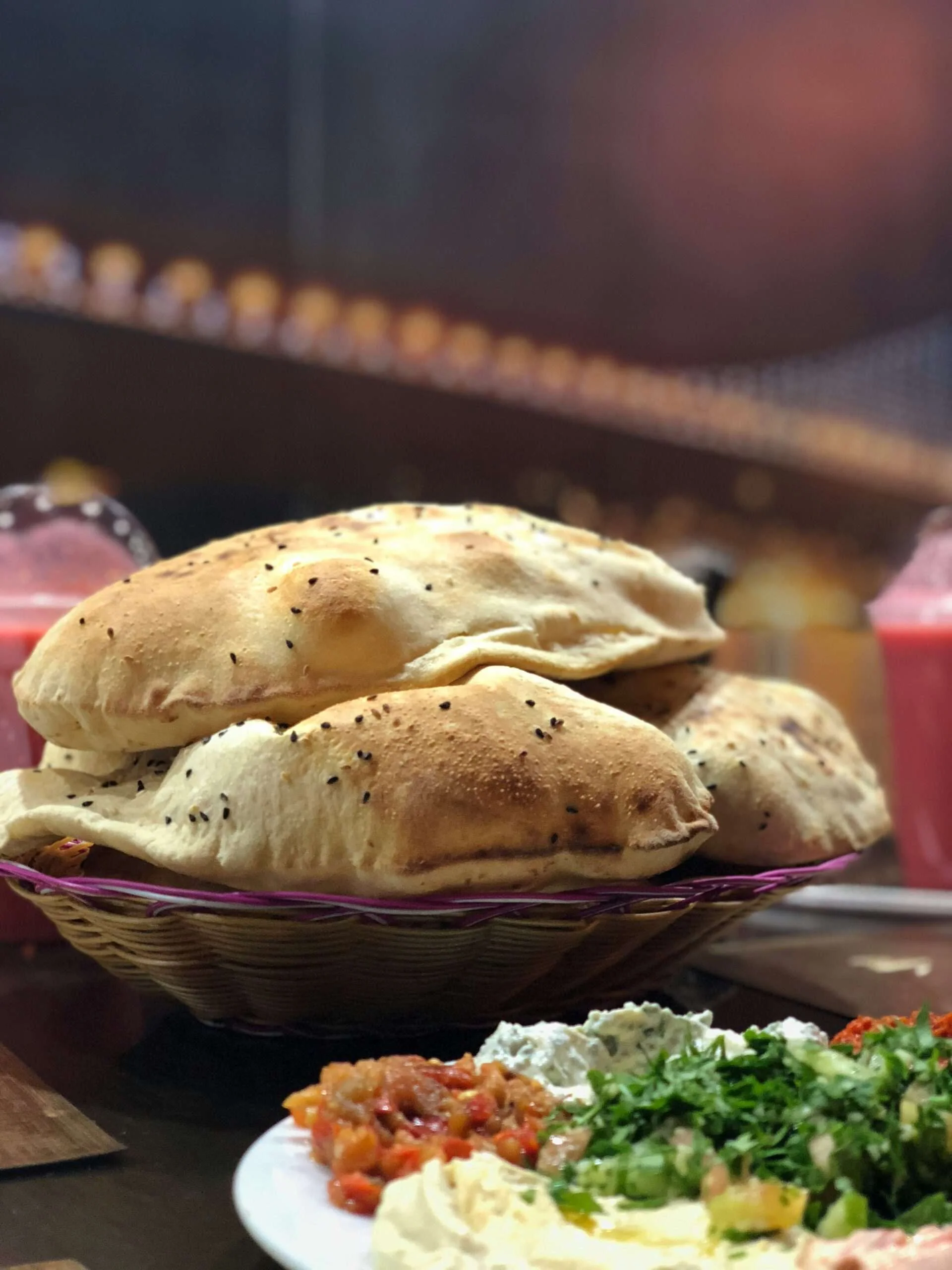









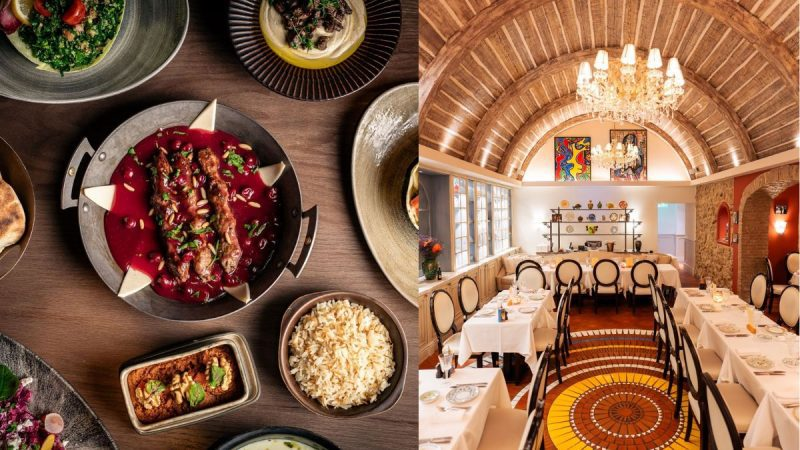
There was a time when dining in Saudi Arabia meant familiarity. Shared plates at the family table. Cafés that stayed open late. Shawarma stands where everyone knew your usual order. The food scene was always full of flavor, but it moved at a steady pace with comfort first, luxury later.
That pace has changed.
In recent years, a transformation has taken hold. Young chefs are leading kitchens with bold ideas. International names are choosing Riyadh, Jeddah, and AlUla for their next chapters. Homegrown restaurants are matching global standards without losing their sense of place. Fine dining is no longer a borrowed experience. It’s growing out of the culture and stepping into the spotlight.
To support this shift, the Ministry of Municipal and Rural Affairs and Housing of Saudi Arabia has introduced a new set of fine dining rules in July 2025. For the first time, luxury restaurants in Saudi Arabia have their own category with clear regulations that shape how they serve, operate, and present themselves.
If you’re working in the industry or simply watching the rise of Saudi Arabia’s culinary identity, these rules matter. They’re already in place. Here’s what they say and how they’re changing the way fine dining works across the Kingdom.
Service Must Feel Personal
The biggest change is how fine dining service should flow from the moment a guest walks in.
These are now mandatory:
- Formal greeting at the entrance
- Staff must escort guests to their table
- Valet parking must be available
- Coat and bag holders must be offered at each seat
Restaurants must remove anything that interrupts the luxury feel. That includes cashier counters and drive-thrus. Guests should never see a point-of-sale machine or someone picking up a delivery order from the dining room. Everything needs to feel smooth and intentional.
Reservations Go Digital, Feedback Gets Easier
All fine dining spots must now use digital reservation systems. This ensures bookings are organized and the guest flow is predictable.
Restaurants must also offer a direct way for guests to share feedback or complaints. This can be through a form, app, or website. It just needs to be official, visible, and easy to use.
Menus Must Meet a Minimum Standard
Your menu now has to include three sections:
- Starters
- Main courses
- Desserts
There must be at least five total items across these categories. This doesn’t mean longer menus, just clearer structure.
If your brand has multiple branches, only one location per city can carry the fine dining license. This keeps the experience exclusive and avoids repetition.
Design Must Support the Experience
The visual and physical layout matters too.
Every fine dining restaurant must include:
- A visible beverage prep station so guests can watch their drinks being made
- A concealed pickup zone for delivery apps, located away from diners
- A setup that avoids clutter, distractions, or interruptions in service flow
This creates a calm, elevated space that stays focused on the guest.
Health and Safety Get Upgraded
A certified food health and safety specialist must be present at all times. This role is now part of the core operations and can’t be outsourced or rotated on a part-time.
Menus must also disclose nutrition details, including:
- Calories
- Salt and caffeine content
- Estimated “burn time” for the dish
This gives guests a better understanding of what they’re eating and helps them make more informed choices.
Brand Identity Becomes a Legal Requirement
If you want to operate as a fine dining restaurant in Saudi Arabia, you must register your brand and logo. This applies even if you’re already established or working as a franchise.
The government now views brand identity as part of quality control. Registration protects the brand and supports recognition both locally and globally.
Dress Code Now Comes Standard
Guests are expected to follow a formal dress code. This helps set the tone for the entire experience and keeps the atmosphere consistent across all licensed fine dining spaces.
Setting the Stage for What’s Next
Saudi Arabia’s fine dining scene is shaping a culture built on structure, care, and clarity. They bring consistency to the guest experience and give restaurants a strong foundation to build on.
With Michelin Guide inspectors already visiting restaurants across the country, this framework helps kitchens prepare with confidence. If you’re starting something new or refining something established, the path forward is now much clearer.
Saudi Arabia’s Fine Dining Standard, Served
This rulebook is a shift in how fine dining looks, feels, and operates across Saudi Arabia. From the first welcome to the final plate, the entire experience is getting an upgrade.
For chefs, owners, and hospitality teams, it’s a chance to rise to a higher standard. For guests, it’s a promise that every detail matters. Fine dining in Saudi Arabia has entered a new chapter, and it’s ready to be recognized on a global scale.
FAQs
What are the new Saudi fine dining rules in 2025?
The new Saudi fine dining rules introduced in July 2025 include mandatory full table service, digital reservation systems, formal dress codes, structured menus, visible drink stations, and health disclosures.
Do fine dining restaurants in Saudi Arabia need a special license?
Yes, fine dining is now a distinct restaurant category in Saudi Arabia and requires its own licensing code under the new regulations.
Can fine dining restaurants in Saudi Arabia operate multiple branches in one city?
No, each fine dining restaurant with a license can operate only one branch per city to maintain exclusivity and quality.
Do guests need to follow a dress code in Saudi fine dining restaurants?
Yes, the regulations include a formal dress code requirement for guests to help maintain the upscale dining environment.
Why did Saudi Arabia introduce fine dining rules ahead of the Michelin Guide?
The rules aim to standardize luxury dining experiences and prepare restaurants for global recognition as Michelin inspectors begin evaluating restaurants across the Kingdom.
Follow us on Instagram for daily travel inspiration and untold stories from the Kingdom. Want more? Explore more experiences and stories in our Food and Drink category.
This article is brought to you by Soul of Saudi (a Saudi travel blog dedicated to uncovering the beauty, heart, and soul of the Kingdom).