









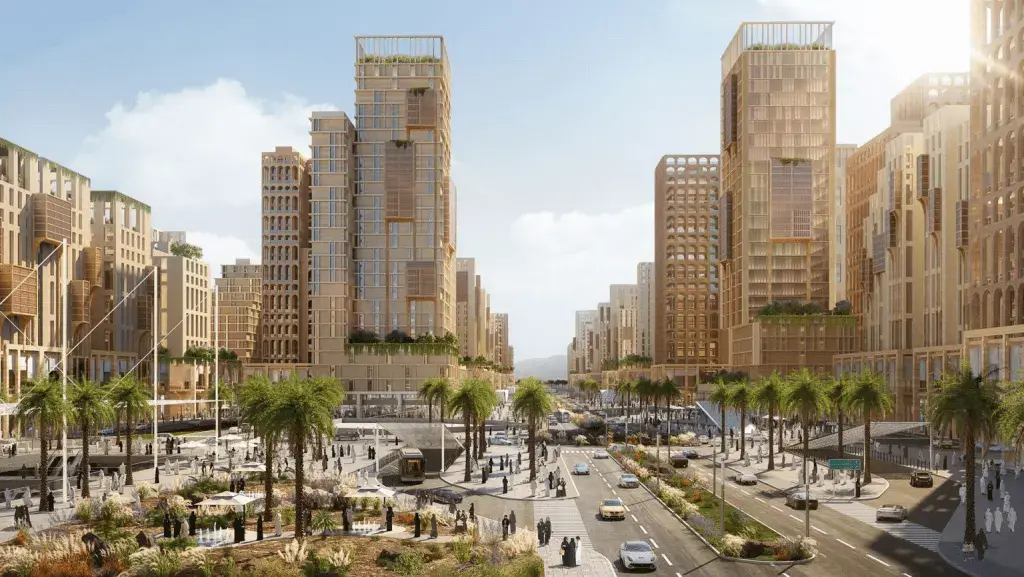
Saudi Arabia is unlocking its doors to the world in a way never seen before. Starting January 2026, the Kingdom will implement a historic new law allowing foreigners to own real estate across the country. This transformative move is set to reshape the landscape for investors, expatriates, and global companies looking for a foothold in the Middle East’s largest economy.
The new regulations, overseen by the Real Estate General Authority (REGA), replace older, restrictive laws with a modern, transparent framework. For the first time, Saudi Arabia’s foreign property rules 2026 will grant non-Saudis the right to own residential and commercial properties in designated zones without the complex hurdles of the past. This is not just a policy update; it is a clear invitation to call the Kingdom home.
A Historic Shift in Property Rights
The new law, officially approved by the Cabinet, represents a fundamental overhaul of the real estate sector. Previously, foreign ownership was largely limited to specialized zones or required complex licensing through the Premium Residency program. The Saudi Arabia foreign property rules 2026 dismantle these barriers. Alongside aligning directly with Saudi Vision 2030 to diversify the economy and attract international talent.
Under the new framework, eligible non-Saudis include foreign individuals, foreign-incorporated companies, and Saudi companies with foreign shareholders. Diplomatic missions and international organizations will also have clear pathways to ownership. This inclusivity signals that Saudi Arabia is serious about becoming a global investment hub.
Where Can You Buy? Designated Zones Explained
A key component of the new law is the introduction of designated zones. While foreigners can buy property, they cannot buy just anywhere. REGA will publish detailed maps outlining specific neighborhoods and districts in major cities like Riyadh, Jeddah, and Dammam, where foreign ownership is permitted.
These zones are expected to cover high-demand areas, mixed-use developments, and new giga-projects that offer world-class lifestyle amenities. However, strict protections remain for the Holy Cities. Makkah and Madinah will largely remain restricted to Saudi nationals, with limited exceptions for Muslim foreigners or specific corporate needs. Thus ensuring the sanctity of these areas is preserved while still allowing for operational flexibility.
Transparency and Disclosure: The New Standard
The era of opaque transactions is over. The new regulations emphasize transparency and compliance. All property transactions involving non-Saudis must be registered with the Real Estate Registry. This creates a secure, digital record of ownership that protects both the buyer and the state.
Furthermore, foreign buyers will be required to provide full disclosure of information. Any attempt to acquire property through false declarations or misleading documents will face severe penalties, including the public auction of the property and fines up to SAR 10 million.
Fees, Taxes, and Financials
Investing in Saudi real estate will come with clear financial obligations. The new law introduces a combined fee structure. Foreign owners can expect to pay a real estate transaction tax (RETT) along with other associated fees, totaling approximately 10% of the property value.
While this is a cost to consider, it brings the benefit of a regulated, secure investment environment. The clear tax framework allows investors to plan their finances accurately without fear of hidden costs. This move is designed to curb speculation and ensure that the market remains stable and sustainable for long-term growth.
Why Invest Now? The Vision 2030 Advantage
The timing of these reforms is no accident. They coincide with the massive infrastructure and cultural developments sweeping the Kingdom. Owning property in Saudi Arabia now means investing in a country that is hosting the World Expo 2030 and the 2034 FIFA World Cup.
The value of real estate in cities like Riyadh is already climbing, driven by corporate headquarters moving to the capital and new lifestyle projects. By 2026, the market will be even more mature. Early investors who understand the Saudi Arabia foreign property rules 2026 will be positioned to benefit from capital appreciation and high rental yields in a growing population center.
You can learn more about the broader transformation driving this demand by exploring the Saudi Green Initiative, which is reshaping urban living standards across the country.
Steps for Foreign Investors
If you are planning to buy, preparation is key. Here is what you need to know to get ready for January 2026:
- Check Eligibility: Ensure you fall into one of the approved categories (individual resident, foreign company, etc.).
- Identify the Zones: Monitor REGA’s upcoming announcements for the official maps of permitted ownership areas.
- Prepare Documentation: valid residency permits (Iqama) and proof of financial standing will be essential. Employers must provide valid permits to ensure you can move and transact freely.
- Understand the Fees: Factor in the 10% transaction fees and taxes into your investment budget.
For those looking at long-term residency options that might complement property ownership, the Saudi Green Card (Premium Residency) offers a robust pathway with additional benefits.
A New Chapter of Belonging
The Saudi Arabia foreign property rules 2026 are more than legal text; they are an open hand extended to the world. They allow physicians, engineers, entrepreneurs, and families who have built their lives in the Kingdom to finally put down permanent roots. It transforms the expat experience from transient to tangible. The new property laws invite the world to live here.
The commitment to fostering a competitive market is strengthened by key strategic alliances, like the recent Monsha’at and LinkedIn partnership. This supports the growth and professional development of the Kingdom’s SME sector.
As we approach 2026, the message is clear: Saudi Arabia is open for business, open for investment, and open for living. Whether you represent a multinational corporation or are a family looking for a home, the future of Saudi real estate is being built for you.
FAQs
Can foreigners buy property in Saudi Arabia starting in 2026?
Yes, under the new law effective January 2026, eligible foreigners, including individuals and companies, can own real estate in designated zones across the Kingdom.
Are there restrictions on where foreigners can buy property in the Kingdom?
Yes. Ownership is permitted only in specific zones approved by the Council of Ministers. Makkah and Madinah remain largely restricted, with exceptions for Muslim foreigners and specific corporate needs.
What are the fees for foreign property ownership in Saudi Arabia at the moment?
Foreign buyers will face a combined transaction fee and tax amounting to approximately 10% of the property value.
What happens if a foreign buyer provides false information in the Kingdom?
The penalties are severe. Providing false information can lead to the confiscation and public auction of the property, along with fines up to SAR 10 million.
Do I need a Premium Residency to buy property under the new law in Saudi Arabia?
Not necessarily. While Premium Residency offers its own property rights; the new law creates a direct pathway for other foreign residents and companies to own property in designated zones without needing Premium Residency status.
Follow us on Instagram for daily travel inspiration and untold stories from the Kingdom. Want more? Explore more experiences and stories in our Lifestyle and Wellness category.
This article is brought to you by Soul of Saudi (a Saudi travel blog dedicated to uncovering the beauty, heart, and soul of the Kingdom).