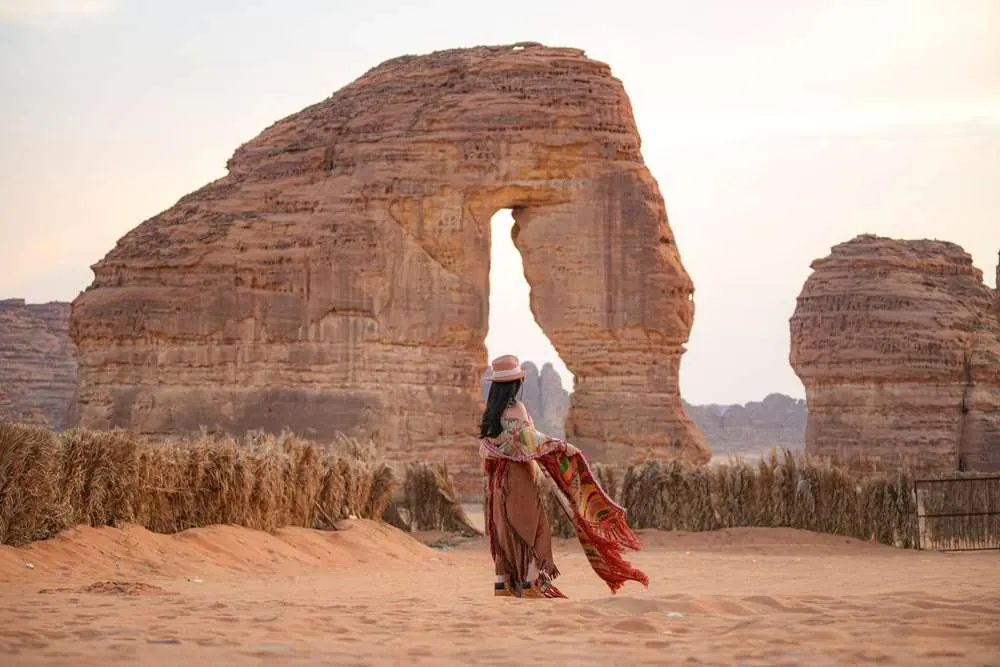









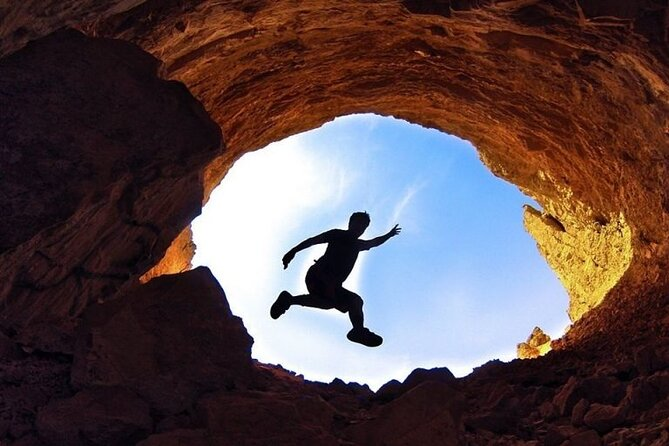
The desert kingdom is rewriting its story of travel. Beyond the Red Sea coasts and golden dunes, there lies a hidden world beneath the surface – a world of caverns, limestone tunnels, and surreal formations waiting to be discovered. Saudi Arabia caves tourism is now being positioned as one of the most exciting frontiers for travelers in 2025, and the idea is simple: take the mystery of the desert and flip it underground.
The Kingdom’s Underground Map
Saudi Arabia is not just about wide horizons; it is also about what lies beneath. The Arabian Peninsula is home to some of the most striking limestone landscapes, and scientists have long documented how the Kingdom’s geology hides caves shaped over thousands of years. These aren’t just rocky holes in the ground. They are natural time capsules where underground rivers once carved chambers of silence, where mineral deposits created crystal-like structures, and where adventure feels raw and untamed.
Destinations such as the Heet Cave near Riyadh, with its otherworldly underground lake, have already gained attention. But this is only the start. Saudi authorities are conducting deeper surveys to identify dozens of potential sites that could one day rank alongside iconic natural wonders around the world. With the Saudi Arabia caves tourism being spotlighted, the country is building not just a new adventure niche but also a scientific and cultural one.
A New Frontier for Adventure Seekers
Travelers today crave more than postcard views. They want stories to live, adrenaline to feel, and secrets to uncover. Caving delivers all three. Imagine descending into a cool cavern while the desert sun scorches above, or tracing your hands across formations that predate civilizations. That is the promise of caving in Saudi Arabia.
Adventure tourism has already been outlined in the Vision 2030 blueprint, with hiking, diving, and desert exploration leading the way. The underground layer now adds a completely new chapter. International cavers are eyeing the Kingdom, while local explorers are documenting caves in Najran, Al Khobar, and the central deserts. For Riyadh visitors, the Heet Cave is just a short drive, making it a likely candidate for one of the first mainstream adventure tourism hubs.
Culture Meets Geology & Arabian Topology
Saudi Arabia’s caves are not only geological masterpieces. Many of them are woven into folklore and history. Local communities have passed down stories of spirits, ancient gatherings, and natural mystique linked to these caverns. When Saudi Arabia caves, tourism takes off; it won’t just be about physical exploration. It will be about cultural immersion as well. Guided tours could integrate storytelling, Bedouin heritage, and conservation awareness, making the experience richer and more authentic.
One key attraction is how these caves intersect with the desert landscape. Unlike tropical caves in Southeast Asia or volcanic caves in Iceland, the Kingdom’s caverns offer a unique desert-geology blend. This contrast will likely position Saudi Arabia on the global map of natural wonders in the next decade.
A Magnet for Eco and Educational Travel
Beyond thrill-seekers, caves also attract scientists, students, and eco-travelers. The underground ecosystems of Saudi Arabia are largely unexplored, meaning opportunities for research and discovery are immense. Whether it’s studying rare mineral formations or learning about ancient climate shifts preserved in cave deposits, this is knowledge that adds weight to the tourism narrative.
For families and educational groups, the opening of a structured caving circuit in Riyadh and beyond could transform Saudi Arabia into a classroom beneath the earth. And for travelers conscious of sustainability, caves represent a gentle form of eco-tourism when managed properly. That balance between exploration and preservation will define the future of Saudi Arabia’s cave tourism.
What Lies Ahead in 2025?
The Ministry of Tourism has already hinted at curated experiences that combine safety with spectacle. Expect infrastructure like marked trails, trained guides, and eco-lighting systems to make caves accessible without losing their natural integrity. The cave tourism in Saudi Arabia is carving a new adventure economy.
By the end of 2025, visitors may find entire cave circuits promoted alongside the Red Sea Project and AlUla. Imagine a traveler flying into Riyadh, tasting world-class dining, and then plunging into a desert cavern all in the same trip. That variety of experiences is exactly what makes Saudi Arabia’s tourism reinvention compelling.
FAQs
What are the most famous caves to visit in Saudi Arabia?
Heet Cave near Riyadh is the most popular, featuring an underground lake. Other sites being surveyed include caves in Najran and the Eastern Province.
Is it safe to explore caves in Saudi Arabia?
Yes, but only with guides or supervised tours. Authorities are preparing structured routes to ensure safety for tourists.
Will caves in Saudi Arabia be open to international visitors by 2025?
Yes, as part of vision 2030, caves and peaks are being integrated into new tourism circuits expected to open in late 2025.
Can beginners try caving in Saudi Arabia?
Entry-level tours like Heet Cave will be tailored for first-time explorers, while advanced cavers can venture into deeper surveyed sites.
How do caves fit into Saudi Arabia’s broader tourism strategy?
They add diversity to the Kingdom’s natural attractions, offering adventure, cultural heritage, and eco-tourism experiences alongside iconic destinations like AlUla and the Red Sea.
Follow us on Instagram for daily travel inspiration and untold stories from the Kingdom. Want more? Explore more experiences and stories in our Experience and Adventure category.
This article is brought to you by Soul of Saudi (a Saudi travel blog dedicated to uncovering the beauty, heart, and soul of the Kingdom).