








In homes, alleyways, and open-air markets across Saudi Arabia, craft has always had a place. It lives in the hands that weave palm leaves into baskets, hammer silver into jewelry, or carve patterns into old wooden doors. These skills are not exhibitions. They’re lived traditions passed quietly through families, shaped by time, necessity, and care.
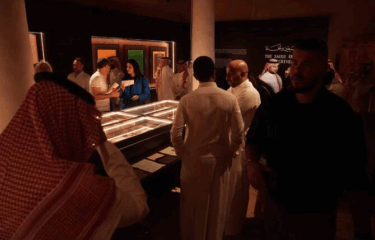
Now, Saudi Arabia’s Ministry of Culture has named 2025 the Year of Handicrafts. This marks the start of a focused effort to bring traditional crafts to the center of Saudi cultural life. Across the country, exhibitions, training programs, festivals, and funding platforms are already taking shape. They aim to give artisans tools to grow, teach, and continue their work in ways that meet both heritage and modern demand.
This initiative gives structure to Saudi Arabia’s cultural past, and it puts economic, cultural, and educational value behind the people who have kept Saudi craft alive for generations.
Sadu Weaving
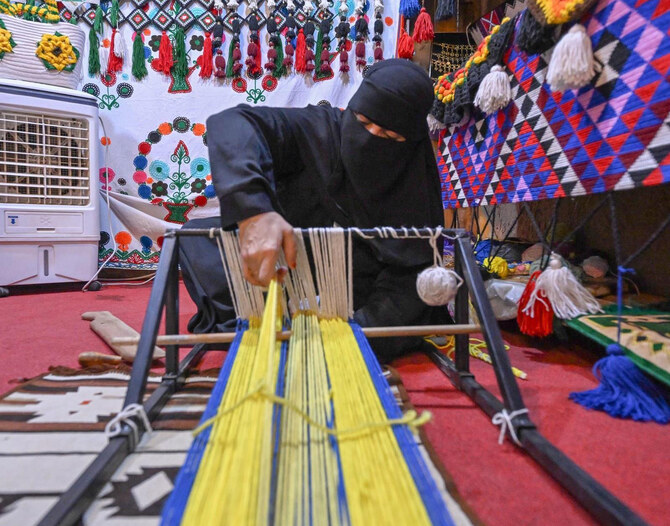
Sadu is more than a textile. It carries a deep knowledge of materials and patterns, passed mostly through women in nomadic communities. Woven with camel hair, goat wool, or sheep fuzz, the process requires patience and precision. The bold geometric shapes are formed by hand on ground looms. The colors come from natural sources like henna and saffron. The final product holds function and beauty in equal measure.
This Bedouin weaving technique has been recognized by UNESCO and continues to evolve. The Saudi Heritage Commission has taken Sadu to international events, including London Craft Week, where Saudi artisans displayed new versions of the tradition. These updated designs continue to reflect the roots of the craft while reaching new audiences.
Pottery and Ceramics
In the Hejaz region, archaeologists uncovered some of the oldest pottery in the world. This legacy continues today. Saudi potters clean, mold, and fire clay using both traditional and modern techniques. The Eastern Province is known for its ceramic workshops where forms are shaped into vases, plates, and architectural pieces.
Projects like Herfah, led by Sheikha Al-Abdulkarim, show how this craft can grow. Backed by cultural programs, artisans are combining handmade clay techniques with design thinking and entrepreneurship. The craft is moving forward, shaped by hands that understand both tradition and change.
Palm Frond Weaving
In many Saudi homes, baskets and mats were once made from palm leaves. The practice of palm frond weaving, or Khoos, uses dried palm branches that are cleaned, sometimes dyed, and shaped into useful objects. These items include baskets, trays, fans, and bags.
The regions of Hail and Jeddah continue to support this tradition through workshops and community events. Palm weaving relies on natural materials that grow locally, making it a sustainable craft that remains relevant. It reflects a close relationship between people and the landscape, where tools were made with what was available, and beauty was always part of function.
Traditional Jewelry and Goldsmithing
Saudi Arabia’s jewelry designs change across regions. In the southern areas, silver dominates. In the West, cities like Makkah and Jeddah developed detailed techniques shaped by trade and pilgrimage. Pieces often include rare stones and platinum. In the East, cities like Al Ahsa and Qatif passed down goldsmithing methods through families for generations.
Gold is melted in small crucibles, then shaped with hand tools into necklaces, earrings, and adornments for traditional dress. These skills were often passed along with the objects themselves. Today, they continue to inspire collectors and designers looking to revive older forms with new ideas.
Woodwork and Door Engraving
Woodcarving in Saudi Arabia carries a strong visual identity. In Najd, traditional doors are carved with floral and geometric designs. Some include metal studs and decorative frames. Artisans in the region have adapted these forms into sculptural works used in homes and public buildings.
Institutes like the Royal Institute of Traditional Arts now offer courses in these techniques. Students learn the rules of symmetry, the role of proportion, and how to prepare wood for detailed carving. Whether used in doors, furniture, or wall art, this form of craft continues to reflect the region’s visual language.
Leatherwork
In Najran, leatherwork remains one of the most practiced crafts. Skilled artisans transform animal hides into wearable goods, belts, bags, and containers. The work starts with tanning and softening the hides, then cutting and shaping them with hand tools.
Items like the mezab and zamalah were once everyday items. Today, they are made for design lovers and buyers looking for handmade accessories with heritage value. Modern collections often combine traditional shapes with updated colors and patterns. Craft programs across Saudi Arabia now offer training to leather artisans and help them market their work to wider audiences.
Traditional Embroidery
Embroidery in Saudi Arabia combines skill and intention. Zari embroidery, known for its gold thread, is often used in garments like the bisht. These pieces are entirely hand-stitched, with some even taking weeks to complete.
The most known example is the Kiswa, the covering of the Kaaba, which features over 60 Quranic verses embroidered using gold-plated silver thread. It is embroidered each year by a large team of textile workers who follow precise techniques passed down through the centuries.
This embroidery tradition continues across regions and is being supported by local fashion houses, artisans, and schools that teach heritage sewing skills to the next generation.
Government Support for the Year of Handicrafts
The Ministry of Culture, along with agencies like the Cultural Development Fund, is offering support through programs like Nama, which provide funding and training to help artisans turn their crafts into sustainable businesses. The Heritage Commission is opening Artisan Houses, documenting techniques, and funding new exhibitions inside and outside the country.
Craftspeople now have the chance to travel, teach, and display their work at global events like Expo 2025 Osaka and Selfridges in London. These aren’t symbolic gestures. They are business opportunities and platforms for recognition.
Honoring those who Weave the Traditions
You can walk into a market stall in Al-Ahsa and hold a basket woven by someone who learned from their mother. You can run your hand over a carved door in Najd and trace the pattern passed down for decades. These crafts were never created for display. They were part of life made with what was available, shaped by need, finished with pride.
Now, they’re being carried forward with intent. The Year of Handicrafts, Saudi Arabia 2025, is not about preserving craft in glass cases. It’s about keeping it in motion. With training, funding, and platforms built to last, artisans across the Kingdom are finding new ways to share their work, and new generations are watching.
The threads, the tools, and the techniques may shift with time. But the core remains the same. Culture doesn’t survive because it’s remembered. It survives because someone keeps making it.
FAQs
What is the Year of Handicrafts Saudi Arabia 2025?
It is a cultural initiative by the Ministry of Culture to preserve, support, and promote traditional Saudi crafts through funding, exhibitions, and artisan training.
How does Saudi Arabia celebrate the Year of Handicrafts?
Saudi Arabia is hosting festivals, craft weeks, training programs, and global showcases to spotlight local artisans and heritage crafts.
Which traditional crafts are featured in the Year of Handicrafts, Saudi Arabia 2025?
Highlighted crafts include Sadu weaving, ceramics, palm frond weaving, goldsmithing, embroidery, woodwork, and leather goods.
What support is provided to artisans during the Saudi cultural year of handicrafts?
Programs like Nama’ Accelerators and Artisan Houses offer financial grants, skill development, mentorship, and international exposure.
How does the Year of Handicrafts align with Saudi Vision 2030?
It supports economic growth by creating jobs, boosting creative industries, and preserving Saudi cultural identity through sustainable craft initiatives.
Follow us on Instagram for daily travel inspiration and untold stories from the Kingdom. Want more? Explore more experiences and stories in our Arts and Culture category.
This article is brought to you by Soul of Saudi (a Saudi travel blog dedicated to uncovering the heart and soul of the Kingdom)