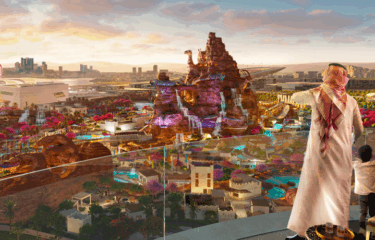










The Kingdom continues to refine its urban and real estate landscape with the introduction of Riyadh new land fee zones. Aimed at effectively ensuring balanced development, curbing speculation, and driving efficient land use, this policy marks a pivotal step.
For investors, developers, and residents, the updates in Riyadh’s new land fee zones are shaping both opportunity and responsibility.
What Are Riyadh’s New Land Fee Zones?
The Riyadh new land fee zones apply targeted fees on undeveloped or underutilized plots within designated areas. The goal is clear: encourage development in prime zones, reduce land hoarding, and align with Saudi Arabia’s urban growth strategy.
Landowners face fees of up to 10% of property value, a move designed to release land for much-needed housing, commercial projects, and green developments.
This reform is not only about taxation but about unlocking Riyadh’s potential as a vibrant capital.
Just as the city is embracing iconic projects like the world’s tallest skyscraper, the Riyadh new land fee zones ensure that growth is distributed supporting the community and the economy.
Why Do the New Zones Matter?
At its core, the introduction of Riyadh’s new land fee zones is signaling a shift in how urban expansion is managed. Speculative land holding often led to inflated property values, stalled projects, and a limited supply of affordable housing. By applying these fees, authorities incentivize owners to build, sell, or lease their land rather than leave it vacant.
The ripple effects extend to investors who are closely watching Riyadh’s real estate market evolve. With land use being streamlined, new opportunities emerge in residential communities, commercial hubs, and leisure spaces. For travelers exploring the city for the first time, this growth complements experiences like in the Riyadh discovery guide.
Impact on Property Owners & Developers
For property owners, Riyadh’s new land fee zones bring both challenges and opportunities. Fees will increase holding costs for idle plots, but those who move toward development or sale can capture value in a market primed for expansion.
Developers, meanwhile, stand to benefit from a clearer pipeline of available land that had once been locked away by speculation.
Just as entertainment and culture have taken center stage in the national economy, highlighted in Saudi Arabia’s transformation story, real estate reforms now bring discipline and dynamism to urban growth.
Riyadh’s Role in Vision 2030
The implementation of Riyadh new land fee zones supports Vision 2030’s housing and urbanization targets.
By making more land available, the government ensures that ambitious projects from residential districts, business parks, and cultural venues can move forward.
Events like Riyadh Season 2025 already show the capital’s capacity to attract global attention. Land reforms add another dimension to Riyadh’s growth story, ensuring the city has the structural backbone to sustain its role as a cultural and economic hub.
Technology & Transparency in the Process
A key feature of the Riyadh new land fee zones is their management through advanced platforms. With systems like Qiwa and Mudad already streamlining labor and business compliance, property owners can expect transparent, digital-first processes.
In this way, Riyadh’s reforms are not only about fees but also about modernization. As digital solutions continue to shape daily life in the Kingdom, even property management connects back to tools featured in Saudi Arabia’s essential apps guide.
Riyadh New Land Fee Zones
- Up to a 10% fee on undeveloped or underutilized land.
- Applied within specific high-demand zones across Riyadh.
- Designed to curb speculation and accelerate construction.
- Supports Vision 2030’s housing, investment, and growth goals.
- Managed through digital platforms for transparent oversight.
A City Built for the Future
The introduction of Riyadh’s new land fee zones represents more than a tax reform. It is a commitment to progress, fairness, and sustainable growth. By encouraging active use of land, Riyadh is laying the foundation for a thriving real estate ecosystem that serves both residents and investors.
By creating structured zoning categories, the government aims to unlock idle land, drive affordable housing, and attract international real estate developers.
As the capital continues to evolve into a global metropolis, Riyadh new land fee zones stand as a reminder that the Kingdom’s growth is intentional, structured, and deeply connected to the vision of a modern Saudi Arabia.
FAQs
What are Riyadh’s new land fee zones?
They are designated areas where property owners must pay fees on undeveloped or underutilized plots, encouraging active land use and development.
How much are the land fees in Riyadh’s new zones?
Fees can reach up to 10% of a property’s value, depending on location and type of land.
Why were Riyadh’s new land fee zones introduced?
They were introduced to curb land speculation, increase housing supply, and support Vision 2030’s urban development goals.
How will this affect property owners?
Owners of idle land will face higher holding costs, but those who develop or sell can unlock value in a more dynamic market.
Is the new fees linked to Vision 2030?
Yes, the Riyadh new land fee zones directly support Vision 2030’s objectives for housing, investment, and urban planning.
Follow us on Instagram for daily travel inspiration and untold stories from the Kingdom. Want more? Explore more experiences and stories in our Business and Innovation category.
This article is brought to you by Soul of Saudi (a Saudi travel blog dedicated to uncovering the beauty, heart, and soul of the Kingdom).