










Riyadh is a city that remembers where it came from. At the same time, it keeps building. You’ll see it in the way old mudbrick walls stand beside mirrored towers. In the smell of oud drifting through markets. In the plans for parks that stretch for miles. The capital doesn’t make you choose between history and the future. It moves with both.
Historical Places to Visit in Riyadh
Al-Turaif
In Al-Turaif, you will see what the early days of Saudi Arabia looked like. This was the first capital of the Saudi state back in the 1700s. The architecture is all mudbrick, built in the Najdi style, with walls that rise out of the desert like they belong there. Palaces like Salwa and Saad bin Saud tell the story of rule, religion, and resilience.
Today, Al-Turaif is an open-air museum. You walk past history. Through old courtyards. Along narrow paths that once saw the birth of a nation. It’s calm. It makes you slow down and look. If you’re on a tour of Riyadh’s historic and modern attractions, Al-Turaif is a must-visit.
Al-Bujairi Terrace
Right across from Al-Turaif is Al-Bujairi Terrace. You won’t find museums here. Instead, there are restaurants, cafes, and spaces made for gatherings. The buildings echo traditional Najdi forms, but they’re modern and welcoming. People come for dinner, for coffee, or just to take in the view over Wadi Hanifa. It’s the kind of place that makes heritage feel familiar.
Masmak Fortress
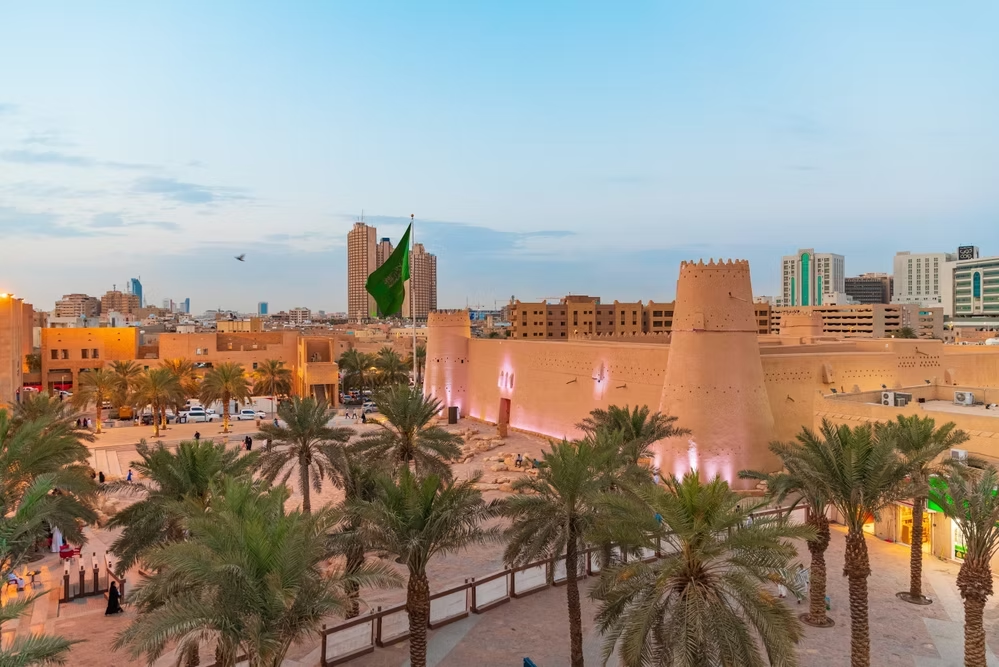
Masmak Fortress holds one of the most important stories in Saudi history. In 1902, Abdulaziz Al Saud took it back with 63 men. That moment marked the beginning of unifying the country.
Today, you can walk through the same fortress. The towers are still there. So is the main gate. Inside, it’s now a museum, but the feeling is still raw. You can stand in the courtyard and feel how close the past still is.
Souk Al-Zal
A few steps away from Masmak is Souk Al-Zal. It’s been around since the early 1900s and hasn’t changed much. That’s part of its charm. You’ll find carpets, incense, oud, daggers, and old coins. Some shops are polished. Others feel like time forgot them. But together, they give the market its character.
During Ramadan, it stays open late. The energy rises. Families shop. Visitors explore. It doesn’t feel like a place frozen in time—it feels used, like it still matters.
Learning from Najdi Architecture
Traditional Najdi buildings weren’t made for looks. They were made to survive desert heat. Mudbrick walls insulate. Small windows let in light but keep out the sun. Courtyards create cool air and privacy. The design came from the land.
Now, that same thinking is coming back. You’ll see it in new projects across Riyadh. Buildings use similar textures and layouts, mixing modern needs with traditional ideas. It’s not about copying the past. It’s about using what works.
Modern Attractions in Riyadh
King Salman Park
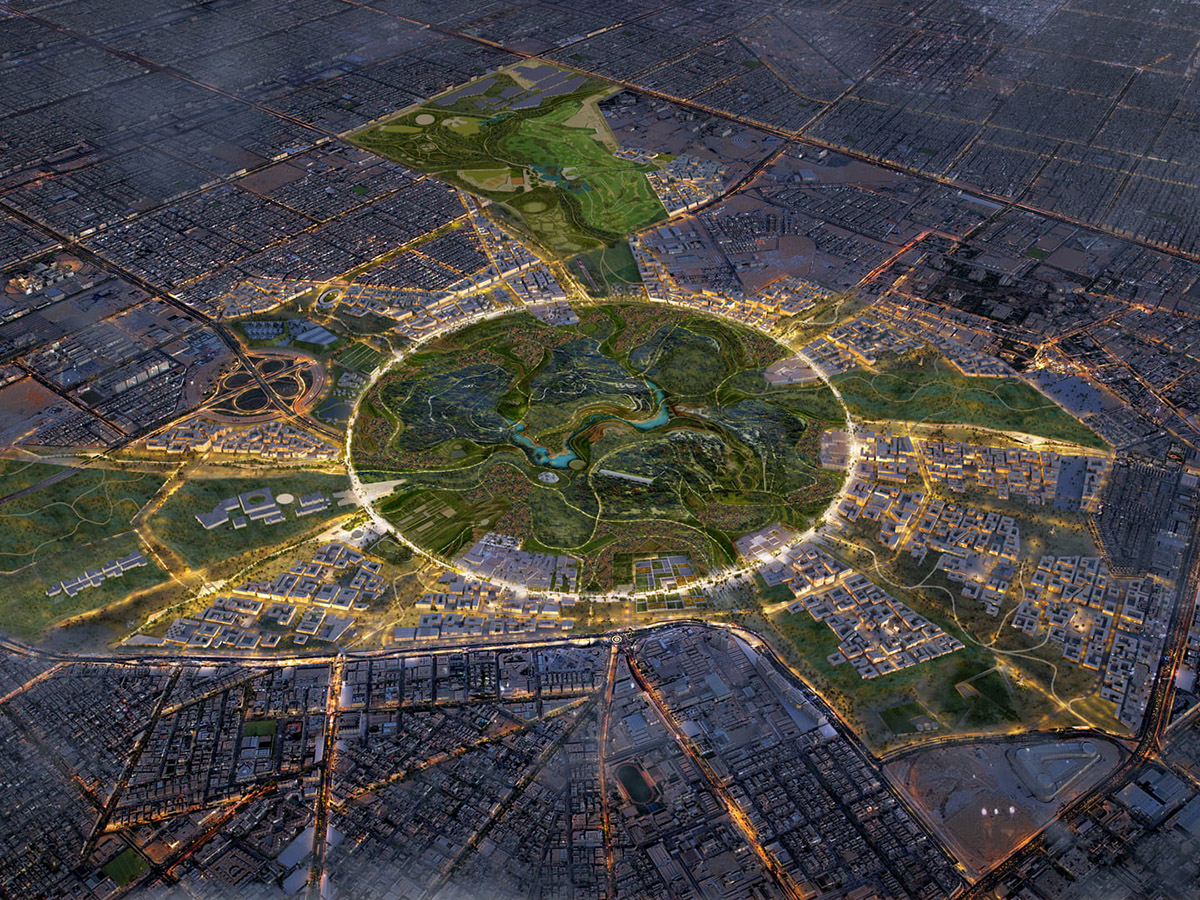
King Salman Park is being built on the site of the old airport, and once finished, it’ll be the largest urban park in the world. One million trees. Museums. Tracks for running and cycling. Open-air spaces for art and performances.
This isn’t just a project—it’s a change in how the city lives. People will have space to walk, relax, and spend time outside, even during summer. It’s a shift in pace and marks a new chapter for Riyadh’s historic and modern attractions.
KAFD
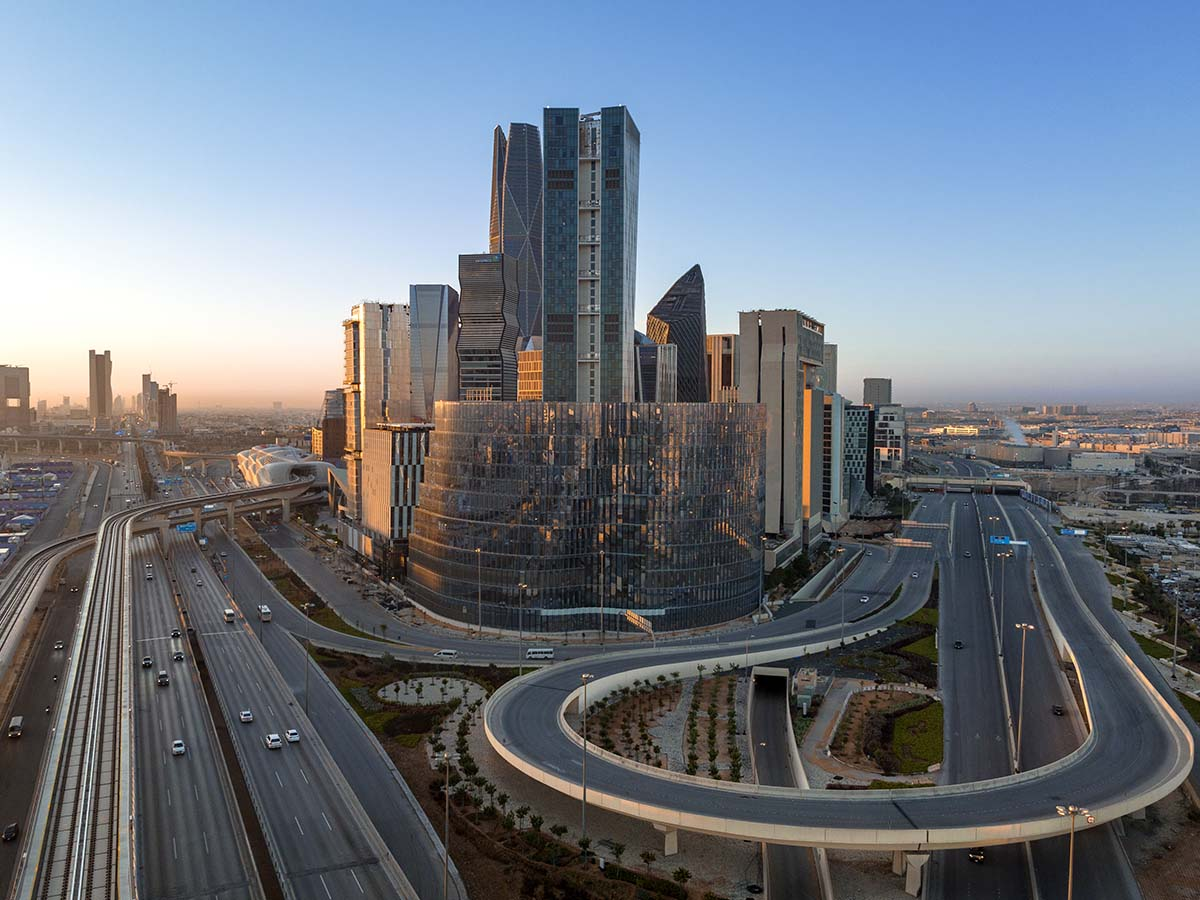
The King Abdullah Financial District doesn’t feel like the rest of the city. It’s sharper. Sleeker. The buildings are tall and geometric, made of glass and steel. Designed to draw in businesses and global talent, it’s also focused on walkability and design.
Everything is connected by shaded paths and skywalks. Offices, apartments, restaurants—they’re all built into one space. KAFD is where Riyadh shows its future, quietly but clearly.
Riyadh Metro
For a long time, getting around Riyadh meant driving. Now, that’s changing. The Riyadh Metro will have six lines and nearly 180 kilometers of track. It connects major neighborhoods and cuts down on traffic.
The stations are new, clean, and easy to use. The idea is simple: make public transport something people actually want to use. And in doing that, shift how the city moves and breathes.
The Line
It’s not in Riyadh, but The Line matters here. It’s part of the bigger picture. The project, being built in NEOM, aims to house millions in a city that runs on clean energy and is built vertically. It will have no roads and no cars.
It sounds bold, but that boldness is shared by what’s happening in Riyadh too. The same mindset is behind both. Push boundaries. Rethink the way cities are built. Make space for people and for nature.
Riyadh Right Now
The city moves between times without stopping. You don’t need to pick a side. You can walk through a fort built over a hundred years ago, then ride a metro through a newly developed district. Both are real. Both matter.
Riyadh is growing in a way that doesn’t erase its past. It carries it forward. You feel it in the walls. In the walkways. In the way people talk about what was, and what’s next. If you’re looking for more activities and attractions in the capital, we’ve got you covered with these top things to do in Riyadh.
FAQs
What are the best Riyadh historic and modern attractions to visit in 2025?
Explore historic spots like Al-Turaif, Masmak Fortress, and Souk Al-Zal, and newer landmarks like King Salman Park, KAFD, and the Riyadh Metro.
Where can I experience both heritage and innovation in Riyadh?
Visit Diriyah for restored heritage sites, then explore areas like King Salman Park and KAFD to see modern Riyadh in motion.
How is King Salman Park changing Riyadh?
It adds green space, walkability, and cultural areas to the city, creating a better way to live and spend time outdoors.
What makes Al-Turaif worth visiting?
Al-Turaif is where the Saudi state began. The buildings, history, and restored layout make it a key stop for anyone exploring the nation’s roots.
What is The Line and how does it connect to Riyadh’s vision?
The Line is a NEOM project focused on sustainability and futuristic design. Its ideas reflect the same innovation happening in Riyadh today.
Follow us on Instagram for daily travel inspiration and untold stories from the Kingdom. Want more? Explore more experiences and stories in our History and Heritage category.
This article is brought to you by Soul of Saudi — a Saudi travel blog dedicated to uncovering the heart and soul of the Kingdom.