









In Madinah, there is peace in silence and just being. You feel it in the call to prayer echoing through narrow streets, in the footsteps of pilgrims walking toward the Prophet’s Mosque, and now, in the quiet hours of the night at Qiblatain Mosque, a place that will stay open for pilgrims round the clock.
On October 6, 2025, King Salman bin Abdulaziz Al Saud issued a royal directive that changed the worship in the city forever. The order allows Qiblatain Mosque in Madinah to remain open 24 hours, inviting worshippers to pray and reflect at any time of day or night. It’s a decision that combines reverence with progress, turning one of Islam’s most historic mosques into a place where time no longer limits devotion.
The Royal Order and Its Promise
The announcement came from the Ministry of Islamic Affairs and was immediately met with gratitude across the Kingdom. The Governor of Madinah, Prince Salman bin Sultan bin Abdulaziz, thanked King Salman and Crown Prince Mohammed bin Salman for their continued dedication to preserving and developing mosques. He confirmed that work had already begun to ensure smooth, round-the-clock access with full operational readiness.
This decision forms part of Saudi Arabia’s ongoing effort to expand access to sacred spaces and improve the worship experience for everyone who visits the Prophet’s City. From enhanced security to continuous maintenance, every detail has been planned to make worshippers comfortable through every hour of the day.
A Place Where Prayer Once Turned
The Qiblatain Mosque, known as the Mosque of Two Qiblas, holds a unique place in Islamic history. It is here, during the time of Prophet Muhammad (peace be upon him), that the direction of prayer was changed from Jerusalem to Makkah.
During the midday prayer, the Prophet received a divine revelation to turn toward the Kaaba. Without pause, he turned, and the congregation followed. That moment, a prayer that shifted mid-recital, marked a turning point in faith. The mosque’s name has carried that story for more than fourteen centuries.
Today, standing inside Qiblatain still brings a sense of awe. The walls hold layers of history.
A Blend of History and Renewal
Over the years, the mosque has seen many reconstructions, each preserving its essence while embracing new eras of design. The most notable transformation came under King Fahd in 1987, when the mosque was rebuilt to its current form.
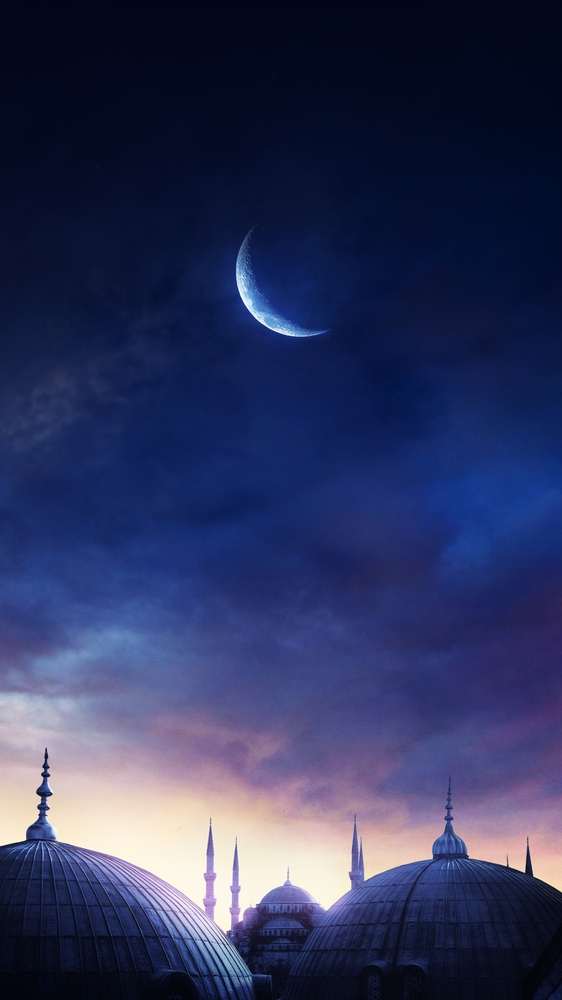
Twin minarets rise against Madinah’s sky, and twin domes crown its geometric prayer halls. Inside, natural light pours through clerestory windows above the mihrab that faces Makkah. Beneath the main hall, modern ablution areas are designed for ease and flow. It’s a space where history breathes through architecture, connecting the city’s spiritual heart with its forward-looking vision.
What 24-Hour Access Means for Worshippers
The royal order brings practical and spiritual benefits for residents and visitors. Many pilgrims arrive in Madinah after long journeys, often late at night. Now, they can step directly into the mosque for prayer or reflection without waiting for scheduled hours.
Security and maintenance teams will remain on duty through the night, ensuring the mosque stays clean, safe, and welcoming. Additional staff have been deployed to guide visitors, support accessibility needs, and preserve the sanctity of the site.
The Madinah Development Authority continues to expand the surrounding area with the Al-Qiblatain Cultural Center, designed to host 6,000 worshippers and include shaded walkways, elevators, and outdoor seating for moments of rest.
A Mosque That Reflects Light and Continuity
Qiblatain now joins a select group of mosques that never close, among them are the Prophet’s Mosque in Madinah, Masjid al-Haram in Makkah, and major mosques in Riyadh that serve worshippers day and night.
For Madinah’s residents, this decision brings quiet joy. For pilgrims, it means they can enter the mosque at dawn, at midnight, or any time their heart calls. The doors will be open, the lamps lit, and the peace of the place unchanged.
A Living Testament to Faith
As Qiblatain Mosque in Madinah opens its doors 24 hours a day, it becomes both a monument of history and a symbol of continuity. A place where the story of Islam’s prayer direction lives on, and where worshippers from around the world can now stand, at any hour, in gratitude.
When the night settles over Madinah and the streets grow still, you will still find light in the mosque of two Qiblas. It will shine softly across the courtyards, reminding every passerby that faith, when nurtured, knows no closing time.
FAQs
What does King Salman’s decision mean for Qiblatain Mosque?
King Salman’s royal directive allows the Qiblatain Mosque in Madinah to remain open 24 hours a day. Worshippers can now enter, pray, and reflect at any time without waiting for scheduled opening hours. It ensures round-the-clock access for both residents and visitors.
When did Qiblatain Mosque start operating 24 hours?
The mosque officially began 24-hour operations on October 6, 2025, following the royal directive. Teams were deployed immediately to manage security, cleaning, and visitor services throughout the night.
Why is Qiblatain Mosque important in Islamic history?
Qiblatain Mosque marks the moment when Prophet Muhammad (peace be upon him) received divine instruction to change the direction of prayer from Jerusalem to Makkah. This event shaped the spiritual identity of the Muslim community, making the mosque a site of deep historical and religious significance.
Can international visitors pray at Qiblatain Mosque at any time?
Yes. The mosque is now open to all visitors, including Umrah pilgrims and tourists, at any hour. You can enter freely and take part in prayer or reflection within one of Madinah’s most treasured mosques.
Follow us on Instagram for daily travel inspiration and untold stories from the Kingdom. Want more? Explore more experiences and stories in our Religious and Spiritual category.
This article is brought to you by Soul of Saudi (a Saudi travel blog dedicated to uncovering the beauty, heart, and soul of the Kingdom).