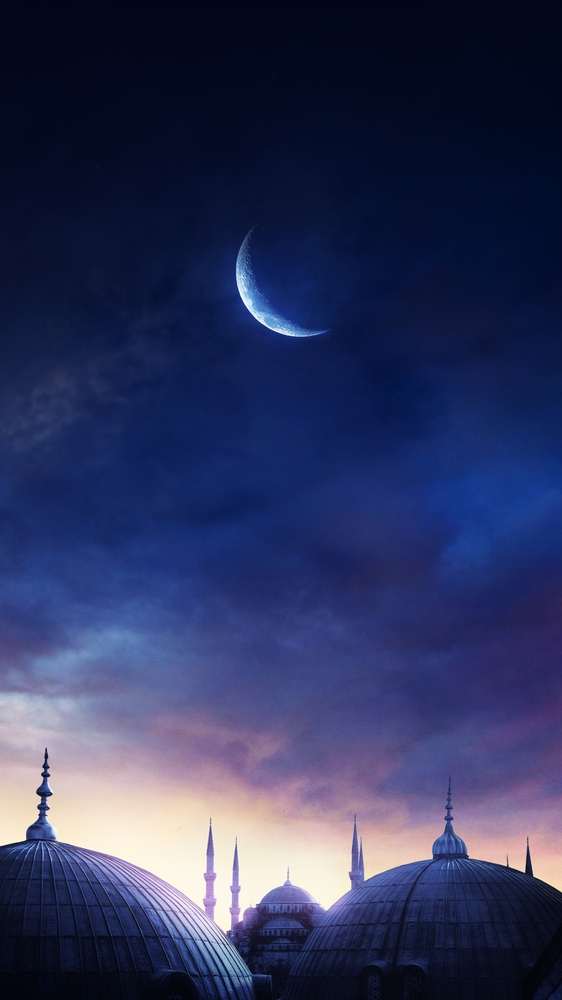










A few weeks before Ramadan, Saudi Arabia begins to change in small but unmistakable ways.
You see it after Asr when supermarkets grow busier than usual. Extra cartons of laban appear in shopping carts. Date displays move closer to store entrances. Families start discussing who will host the first iftar.
Even the pace of the evening shifts slightly as people begin preparing their routines.
Behind what feels familiar each year sits something far larger. The nationwide preparations for Ramadan in Saudi Arabia are already underway, shaping everything from mosque operations to traffic flow, charitable giving, retail activity, and the movement of millions expected to gather in Makkah and Madinah.
Most of this work happens quietly. Yet it touches nearly every moment of the month you are about to experience.
The First Signs Appear Inside the Mosques
If you want to understand how seriously Ramadan is approached here, start with the mosques.
This year, Saudi mosque preparations focus heavily on consistency. Imams and muazzins are required to remain present throughout the holy month, with leave permitted only under exceptional circumstances.
For worshippers, this creates something immediately noticeable: stability. The doors open as expected. Congregational prayers begin without delay. Familiar leadership remains in place even as attendance climbs deep into the night.
Across neighborhoods and major cities alike, this level of preparedness strengthens overall mosque readiness for Ramadan in Saudi Arabia, particularly during the final ten nights when prayer spaces fill quickly.
You may not walk in thinking about staffing plans. You will feel the difference anyway.
Prayer Timings That Facilitate
Anyone who has tried to reach Isha during Ramadan understands how quickly the streets can fill. Standardizing prayer schedules is therefore a central part of Saudi Arabia’s Ramadan preparations this year.
All mosques will follow the Umm Al Qura calendar with reinforced expectations around precision. A 15-minute window between the Adhan and Iqamah for both Isha and Fajr gives people the time to arrive without rushing through traffic or searching endlessly for parking.
During the last ten nights, Tahajjud prayers will conclude early enough for worshippers to return home, prepare Suhoor, and step into Fajr without exhaustion.
At Masjid al Haram in Makkah and the Prophet’s Mosque in Madinah, Taraweeh will follow 10 rakats followed by 3 rakats of Witr, helping maintain clearer Ramadan prayer space arrangements in Saudi Arabia as crowds deepen.
These are logistical decisions, but they shape how your nights unfold.
Watching Over the Crowd Without Interrupting the Moment
Inside the Prophet’s Mosque, a Smart Engineering Command and Control Center is now operating around the clock. Interactive dashboards track services in real time, allowing teams to respond quickly as footfall rises.
During peak nights, this becomes essential for effective Ramadan crowd management in Makkah and Madinah, where movement must remain steady even as attendance surges.
The system is not there to be noticed. Its role is to ensure that worship continues without disruption, whether you are finding a place for prayer or moving through the courtyard after Taraweeh.
It is a strong example of how Ramadan infrastructure in Saudi Arabia continues to evolve alongside growing demand.
Protecting the Sanctity of Prayer Spaces
New guidelines introduced ahead of the holy month reinforce important Ramadan safety measures in Saudi mosques.
Security cameras are permitted for protection, but cannot record worshippers during prayer. Broadcasting prayers is prohibited, preserving the privacy of the spiritual experience. Begging within mosque premises is banned, with staff instructed to notify authorities when necessary.
Together, these policies prioritize dignity while keeping spaces secure.
Structure here is not restrictive. It is protective.
Giving, Staying, and Worshipping With Greater Clarity
Generosity defines Ramadan, and the Saudi Ministry of Islamic Affairs’ Ramadan preparations ensure that charitable practices remain transparent.
Zakat must be distributed through approved channels so it reaches legitimate recipients. Worshippers planning I’tikaf are required to register in advance, with mosques verifying personal details before granting approval. Non-Saudi residents must also obtain permission from their sponsor in line with residency regulations.
Preparing Makkah and Madinah for the World
Ramadan in the Two Holy Mosques operates at a scale few places ever experience. The operational plan for Ramadan 2026 in Saudi Arabia reflects that reality.
More than 100 initiatives are rolling out across seven strategic areas that include pilgrim experience, digital transformation, and Quranic education. Over 850 personnel are supporting academic, service, media, and volunteer tracks.
Translation services now extend across more than 40 languages, new digital platforms will guide worshippers before arrival, and the Hidayah Center is set to expand global outreach.
For many visitors, this preparation becomes visible the moment they step into the Grand Mosque.
Movement feels guided. Services feel accessible. The space holds millions without losing its sense of order.
Outside, the Country Prepares in Its Own Way
Step beyond the mosques and you will notice another layer of readiness.
Retailers are already stocking for the Ramadan shopping season in Saudi Arabia, anticipating a rise in Ramadan retail demand in Saudi Arabia across food, hospitality, and gifting. Streets grow livelier after sunset. Cafes extend their hours. Families linger longer over late meals.
Cities are also strengthening Ramadan security and traffic management in Madinah and other high-density areas, so evenings remain navigable even at their busiest.
Community initiatives and Ramadan cultural activities in Saudi Arabia continue to expand, bringing neighbors together in ways that feel both familiar and renewed each year.
Long Before the First Fast, the Work Is Already Done
When you look closely at the scope of these preparations for Ramadan in Saudi Arabia, a clear intention emerges.
Make worship accessible.
Reduce friction.
Anticipate movement before it happens.
By the time the first call to Maghrib signals the start of fasting, the systems supporting the month will already be in place. Most people will never see the planning behind it. They will simply experience mosques that are ready, cities that function smoothly, and nights that allow their attention to remain where it matters most.
In Saudi Arabia, preparing for Ramadan is not treated as a seasonal task.
It is approached as a responsibility.
And each year, that responsibility shows.
FAQs
How is Saudi Arabia preparing for Ramadan 2026?
Preparations for Ramadan in Saudi Arabia include fully staffed mosques, unified prayer schedules, smart monitoring systems, organized charity channels, and expanded pilgrim services.
What mosque preparations are in place for Ramadan?
Saudi mosque preparations focus on staff availability, privacy protections, structured prayer timings, and mandatory registration for I’tikaf.
How does Saudi Arabia manage crowds during Ramadan?
Authorities use advanced monitoring centers, coordinated operational teams, and strengthened infrastructure to support Ramadan crowd management in Makkah and Madinah.
What services support worshippers during Ramadan in Saudi Arabia?
Saudi Ramadan services include multilingual assistance, volunteer programs, digital platforms, organized prayer spaces, and enhanced safety measures.
Is Ramadan a good time to visit Saudi Arabia?
With extensive Saudi Arabia Ramadan preparations underway, visitors can expect organized facilities, strong services, and an environment centered on worship.
Follow us on Instagram for daily travel inspiration and untold stories from the Kingdom. Want more? Explore more experiences and stories in our Religious and Spiritual category.
This article is brought to you by Soul of Saudi (a Saudi travel blog dedicated to uncovering the beauty, heart, and soul of the Kingdom).