








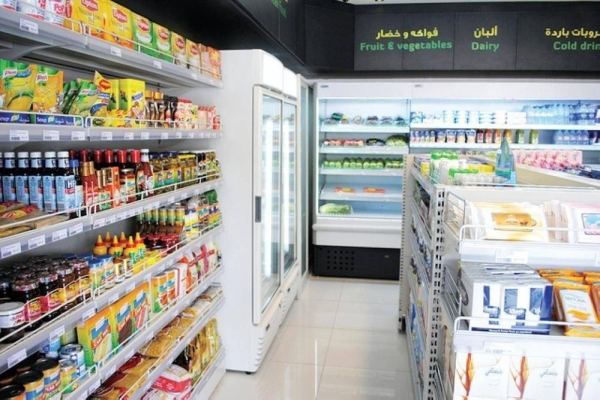
It’s the place where kids trade coins for candy, where families dash for forgotten ingredients, and where friendships are sealed over shared shelves. But in 2025, these modest storefronts are stepping into a new chapter.
The new baqalas regulations in Saudi Arabia introduce sweeping changes across the Kingdom’s corner stores (mom and pop shops)—affectionately known as baqalas.
To balance national workforce ambitions with community well-being, authorities have revealed a two-pronged approach: one part Saudization, the other part health-centric regulations. This transformation aims to empower local talent, boost store professionalism, and protect consumers, all while reinforcing Saudi identity in day‑to‑day retail.
Prioritizing Saudi Employment
One of the most significant changes in the new Baqalas regulations in Saudi Arabia is the full Saudization of staff, as mandated by the Ministry of Human Resources and Social Development (HRSD).
This move aims to create up to 20,000 jobs for Saudis, especially youth and women, replacing roles traditionally held by expatriates.
For larger baqalas, a phased approach targets a 70% Saudization rate. The policy also tackles tasattur—hidden foreign ownership by ensuring genuine national participation in retail and fostering pride in local commerce.
The transition poses real challenges. Many baqalas depend on expat families, especially in remote areas, and replacing them could disrupt operations. Upgrades like surveillance, relabeling, and staff training require investment. Smaller stores will need support, while Saudi recruits must be trained and fairly paid to succeed in retail roles.
Health-Focused Store Upgrades
Alongside staffing changes, the new baqalas regulations in Saudi Arabia also roll out stricter health, hygiene, and product guidelines. Here’s what store owners need to know:
- Tobacco control: Tobacco sales are prohibited in Baqalas stores. Tobacco products are only allowed to be sold to citizens aged 18 or above through supermarkets or hypermarkets across the country.
- Energy drinks: Display is permitted only to customers aged 16 and above, and in dedicated sections.
- Health & safety requirements: Each Baqala must feature price tags, regular product inspections, visible surveillance cameras, and accessible fire extinguishers. Uniformed staff and height-appropriate shelving will enhance customer trust.
By nudging baqalas toward compliance with SFDA guidelines, the Kingdom strengthens its commitment to public health while improving safety and cleanliness.
As part of the new baqalas regulations in Saudi Arabia, updated municipal guidelines now require baqala stores to meet strict spatial and category standards.
- Baqalas must operate within a minimum floor space of 24 square meters, while supermarkets and hypermarkets are expected to cover at least 100 square meters and 500 square meters, respectively.
- In addition, the sale of fresh fruits, vegetables, and meats will be restricted, with meat sales now requiring a specialized license to ensure food safety and compliance.
- A six-month grace period has been granted to allow store owners to adjust their operations, licenses, and layouts in line with the evolving national standards.
Jobs, Trust & The Saudi Community Integrity
These new measures align with Vision 2030’s goals. First, Saudization fosters local employment and workforce diversity. Many baqalas lie in developing areas, opening opportunities for underrepresented demographics. Second, health-focused upgrades boost professionalism. Transparent pricing, hygienic standards, and regulated product placement help elevate consumer confidence and store aptitude.
Additionally, nationwide implementation simplifies oversight. Municipal authorities gain easier access for inspections, ensuring consistent compliance and reducing the potential for malpractice.
What Store Owners Should Do?
If you own or manage a baqala, use this checklist to embrace the new baqalas regulations in Saudi Arabia.
- Draft a Saudization plan: Begin hiring Saudi staff in phases where possible; larger stores must hit 70%, smaller ones may aim for full Saudization.
- Engage municipal authorities: Register for consultation and stay ahead of licensing changes.
- Upgrade health infrastructure: Install shelf labeling, child-safe zones, and fire safety tools.
- Limit regulated products: Lock away tobacco, separate energy drinks, or use clear age-check signage.
- Staff training matters: Teach Saudis health standards and responsible retail practices to deliver consistent service.
A Healthier Future, One Corner Store at a Time
The new baqalas regulations in Saudi Arabia reflect a pragmatic approach to reform: empowering Saudis and raising consumer safety simultaneously. When fully implemented, every neighborhood baqala will embody national identity, professionalism, and community wellbeing.
The direction is clear. Saudis will shop in stores run by their neighbors. Families will feel safer passing by brightly lit, orderly storefronts.
Regulators will find greater transparency in how items like tobacco and energy drinks are managed. In reshaping the humble baqala, Saudi Arabia is redefining how everyday retail contributes to a vibrant, citizen‑centered future.
The new baqalas regulations in Saudi Arabia mark a committed step toward national empowerment, public health, and enhanced retail ethics.
What lies ahead for Saudi corner stores is more than regulation—it’s transformation. From staffing to store shelves, baqalas will become symbols of a Kingdom in motion.
A Storefront to the Soul
In every city and village, baqalas have served as silent witnesses to Saudi life, modest spaces carrying immense cultural weight. And now, with the new Saudi baqalas regulations, they are becoming reflections of something even deeper: a nation awakening to its people, its wellbeing, and its promise.
For owners, success means embracing the change. For shoppers, it means consistent quality and trust. In this moment of change, every baqala stands as a representation to national evolution—one transaction at a time.
FAQs.
What are the new baqalas regulations in Saudi Arabia for 2025?
The new baqalas regulations Saudi authorities are introducing include full Saudization of the workforce, banning tobacco and energy drinks in many corner stores.
Will expats still be allowed to work in baqalas after the new rules?
Under the baqalas Saudi plan, all jobs in baqalas are being nationalized. This means expatriate workers will be gradually replaced with Saudi nationals.
Are baqalas allowed to sell tobacco or energy drinks under the new regulations?
No. Tobacco must be kept out of sight, not sold to anyone under 18, and comply with Saudi Food & Drug Authority (SFDA) rules. Energy drinks are limited to those aged 16+, and must be displayed in designated areas.
What hygiene and layout standards are now required for baqalas in Saudi Arabia?
Store owners must follow updated municipal guidelines, including clear price tags, properly labeled products, clean uniforms, security cameras, child-safe shelving heights, and readily available fire extinguishers.
How will the new baqalas regulations impact jobs in Saudi Arabia?
The regulations are expected to create over 20,000 job opportunities for Saudis, especially among youth and women.
Follow us on Instagram for daily travel inspiration and untold stories from the Kingdom. Want more? Explore more experiences and stories in our Business and Innovation category.
This article is brought to you by Soul of Saudi — a Saudi travel blog dedicated to uncovering the heart and soul of the Kingdom.