








Riyadh is one of the most diverse places you will ever get a chance to explore. Behind the pace and movement of the city, there are quiet places where things feel more personal. Places where you pause, look closer, and come away seeing the city a little differently.
If you’ve been looking for the best museums to visit in Riyadh, this guide brings you into the city’s cultural spaces, where memory, creativity, and everyday life are shared in ways that feel simple and lasting.
National Museum of Saudi Arabia
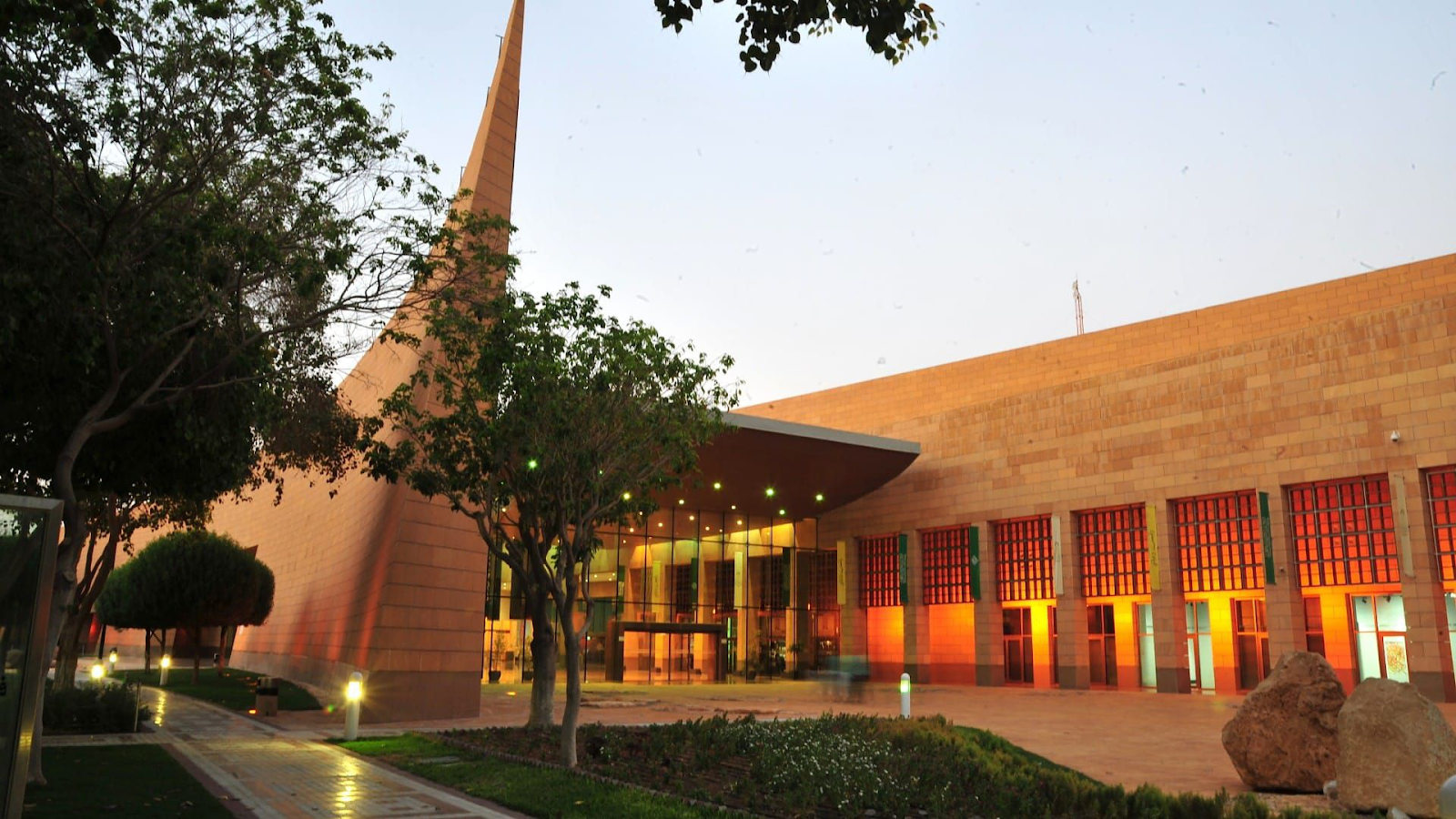
Start with the heart. The National Museum in Riyadh is where the Kingdom’s timeline unfolds room by room. Set inside the King Abdulaziz Historical Centre in Al Murabba, it spans over 28,000 square meters. Designed by Raymond Moriyama, the building leans into natural forms, echoing the desert dunes beyond the city.
The galleries take you from fossils to the Prophet’s era, through the First and Second Saudi States, and into the present. The Hall of Hajj and the Two Holy Mosques are especially moving, built with reverence for what the pilgrimage means to many.
Timing: Saturday to Wednesday, 9 am–7 pm. Thursday, 9 am–10 pm. Friday, 2 pm—10 pm
Entry: Free
Metro: Direct access via Riyadh Metro Green Line
Al Masmak Palace Museum
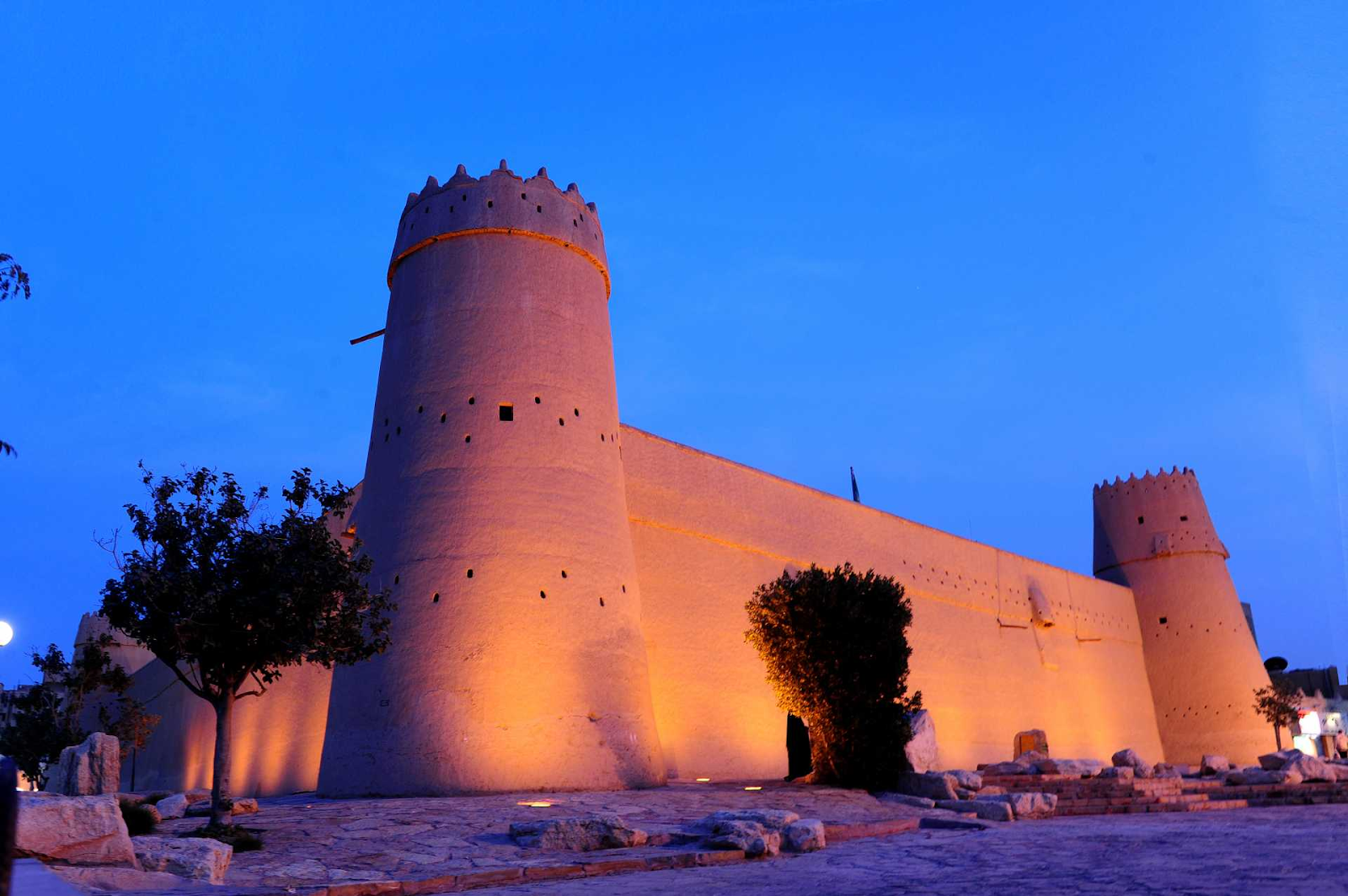
In Al Thumairi, old mudbrick walls hold the story of a turning point. The Al Masmak Palace Museum marks the 1902 recapture of Riyadh by King Abdulaziz. You walk through the same thick walls that once guarded a city’s fate.
Inside are traditional weapons, artifacts, and rare photos. Each exhibit is compact and direct. You feel the gravity of the past, not in grandeur, but in its simplicity.
Timing: Sun–Thurs: 8 am–9 pm. Friday: 4 pm–8 pm. Saturday: 9 am–8 pm
Fee: Free
Saqer Al Jazirah Royal Air Force Museum
Aviation enthusiasts will want time at the Royal Saudi Air Force Museum, also called Saqer Al Jazirah. Located near Riyadh Air Base, this space gives a clear look at how aviation developed in Saudi Arabia across five phases, starting in 1914.
Outdoor aircraft displays stretch across the lawn, while indoor exhibits walk you through civil and military aviation history. One of the most notable pieces? A Dakota DC3—the first aircraft that carried King Abdulaziz.
Timing: Sunday, Monday, Wednesday, Thursday: 8 am—11 am, 4 pm—9 pm. Tuesday: 8 am—11 am. Friday, Saturday: 4 pm—9 pm.
Fee: Adults SAR 10
Naila Art Gallery
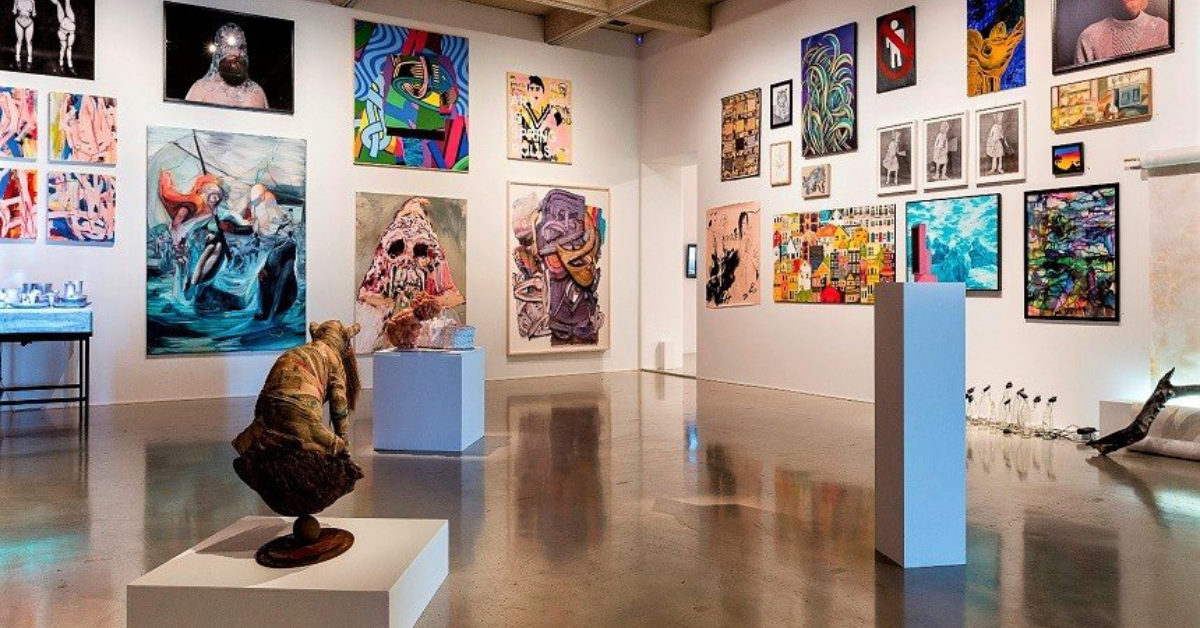
This is Riyadh’s independent art pulse. Naila Art Gallery lives on Al Takhassosi Street and hosts a mix of Saudi and international contemporary artists. Its exhibitions change often, always offering something new. Here you’ll find clay works reimagined, calligraphy blended with street art, and photography that pulls you in.
The space is small but intentional. You don’t need to know art to feel it here. You just need to show up with curiosity.
Timing: Mon–Wed: 2 pm–10 pm. Thursday: 3 pm–10 pm. Closed Friday and Saturday
Fee: Free
Al Turaif World Heritage Site
If you want history in its original setting, Al Turaif District in Diriyah holds it. This UNESCO World Heritage Site was the first capital of the Saudi Dynasty and the birthplace of the First Saudi State. The place is dotted with mudbrick palaces, wide courtyards, and palm-lined paths.
You can walk through Salwa Palace, the Diriyah Museum, bathhouses, and mosques—all preserved and restored. This is a living museum in the truest sense.
Timing: Mon–Sun: 5 am-12 am
Fee: 100 SAR (you can spend it on the restaurants inside)
Saudi Arabia Museum of Contemporary Art (SAMoCA)
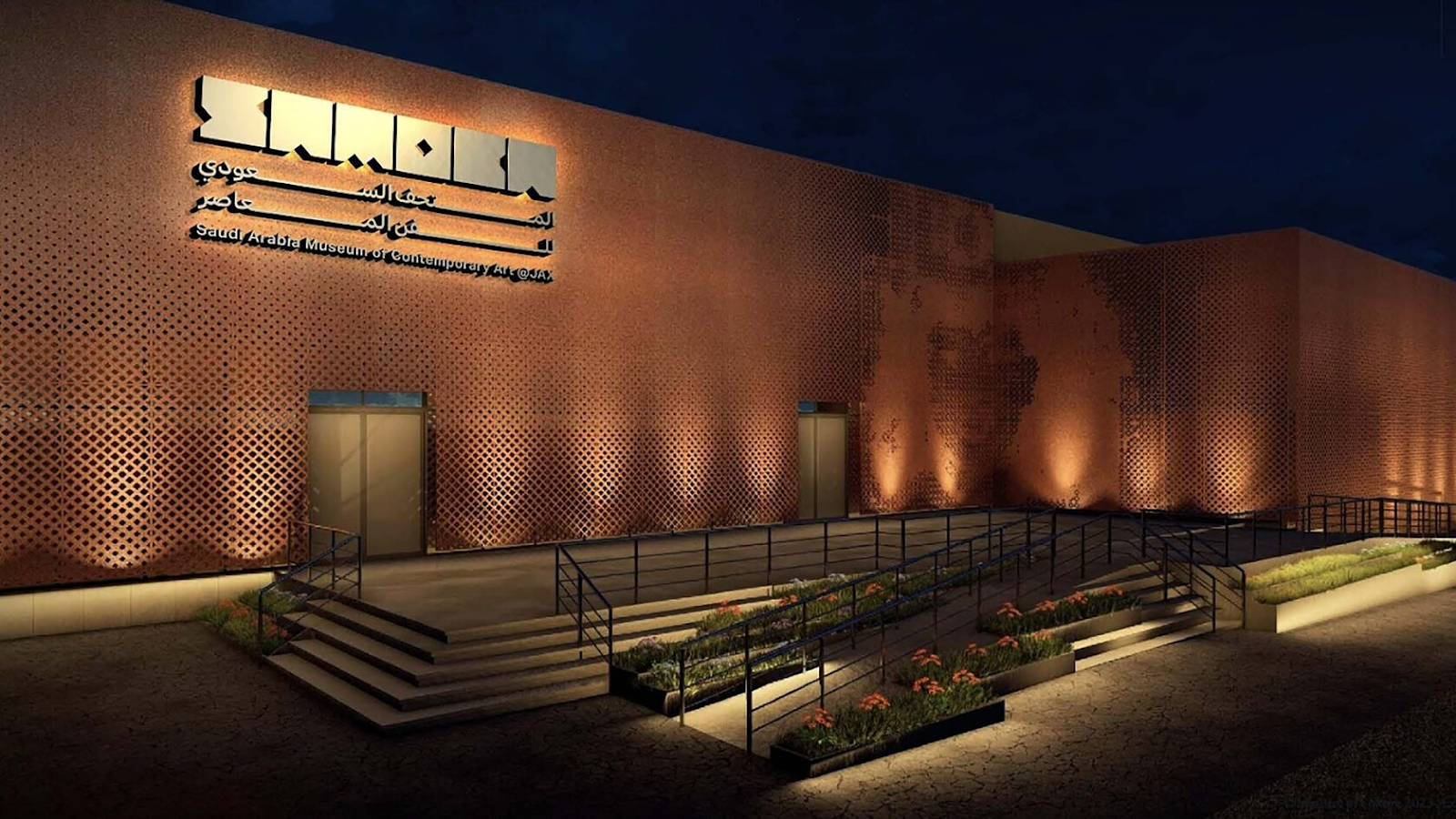
SAMoCA opened in late 2023 as the first museum of its kind in the Kingdom. Located in the creative JAX District of Diriyah, it offers rotating contemporary exhibitions and permanent installations by Saudi and international artists.
The space focuses on themes that speak to both local culture and global issues. It’s immersive, expressive, and part of the cultural shift under Vision 2030.
Timing: Mon–Thurs: 10 am–10 pm. Fri–Sat: 4 pm–10 pm
Fee: Free entry to all exhibitions every Tuesday
Diriyah History Museum
Within the Salwa Palace at Al Turaif, the Diriyah Museum focuses on the First Saudi State. It’s quiet here, less busy than other museums, but that only adds to the weight of the place.
There are outdoor ruins and indoor exhibitions. The museum shows how Saudi Arabia formed through resilience, faith, and vision.
Part of: The larger Diriyah Development Project, which includes hotels, museums, and public spaces
Recommended Visit Time: 2–3 hours
A Slower Way to Know the City

Riyadh’s museums don’t demand your time. They offer it. You move at your own pace, follow your own threads, and come out seeing the city a little differently. You won’t always remember the exact exhibit. What remains is how you felt walking through it.
If you’re staying a while or just passing through, these spaces give you something steady to return to. A reminder that the past is still here. That creativity lives close to the surface. And that some places feel familiar even when everything around them is new.
FAQs
What are the best museums to visit in Riyadh in 2025?
The National Museum, Al Masmak Palace, SAMoCA, Al Turaif, and Naila Art Gallery are top choices. Each offers a distinct experience.
Are there free museums in Riyadh?
Yes. Al Masmak Palace, Al Turaif World Heritage Site, SAMoCA, and some galleries like Naila offer free entry.
What are good museums in Riyadh for kids and families?
The National Museum and Saqer Al Jazirah Aviation Museum are educational and interactive.
Which Riyadh museums are good for art lovers?
SAMoCA and Naila Art Gallery focus on contemporary art. They host frequent exhibitions and feature both local and international talent.
How to get to the National Museum Riyadh?
Take the Riyadh Metro Green Line to the National Museum station. The site is located in the King Abdulaziz Historical Centre in Al Murabba.
Follow us on Instagram for daily travel inspiration and untold stories from the Kingdom. Want more? Explore more experiences and stories in our Experience and Adventure category.
This article is brought to you by Soul of Saudi — a Saudi travel blog dedicated to uncovering the heart and soul of the Kingdom.