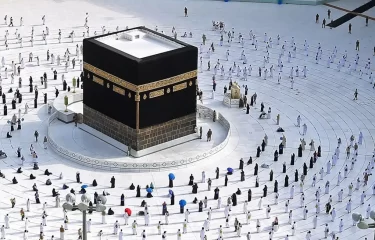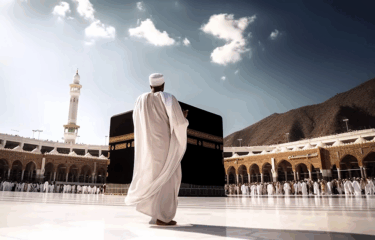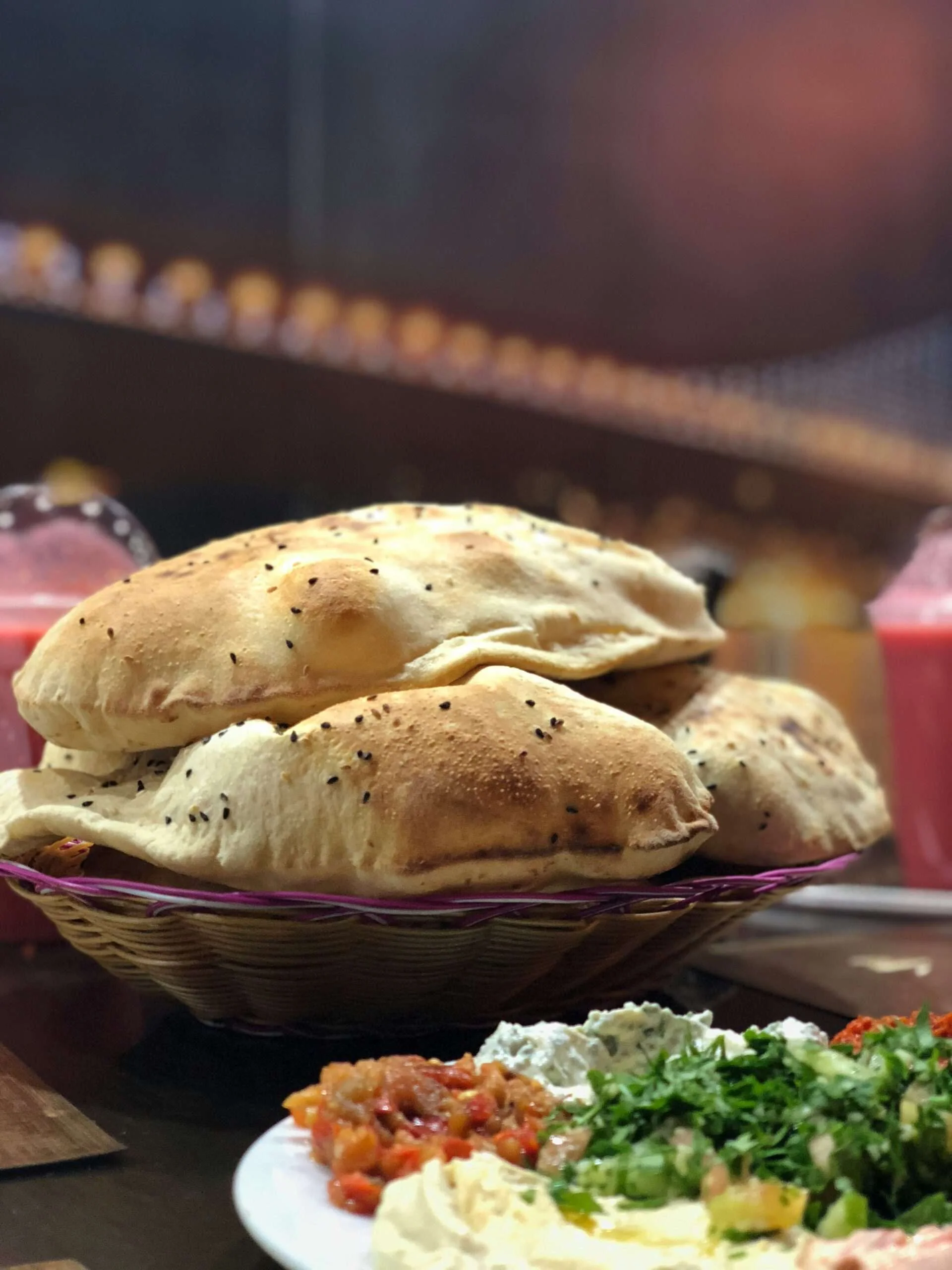









Every year, as the crescent moon is spotted and Ramadan begins, something shifts in Saudi Arabia. Families start stocking the fridge. And certain drinks, ones that barely get a second glance the other eleven months, suddenly become the stars of every iftar table. The history of Ramadan drinks in Saudi Arabia is a surprisingly rich journey that stretches back centuries, crosses oceans, and tells you a lot about how culture, trade, and the simple human need to quench a long thirst can shape an entire tradition.
Before the Glass: Why These Drinks Even Exist
Saudi Arabia is hot. Historically, the region sat at the crossroads of ancient trade routes, surrounded by desert heat that would make anyone grateful for something cold. Fasting during Ramadan meant going without water from dawn until sunset, and when the Maghrib prayer finally rang out, the body wasn’t just hungry. It was thirsty and running low on energy. The drinks that developed around iftar weren’t random. They were practical, rooted in what was available and what the body needed most. Over time, they became something more, threads of memory and hospitality woven into the fabric of the holy month. Today, Ramadan beverages and Saudi food culture are completely inseparable.
Sobia: The Drink That Arrived with the Pilgrims
If you ask almost anyone in Jeddah, Makkah, or Madinah what the most iconic Ramadan drink is, they will tell you: Sobia. And the story behind it is almost as interesting as the drink itself.
Where It Came From
Sobia traces its roots back to Egypt, where it is believed to have originated over a thousand years ago as a fermented drink made from rice water. Egyptian pilgrim caravans brought it to Saudi Arabia’s Hijaz region centuries ago. The drink you pick up in a plastic bag from a street vendor in Jeddah today arrived in the Hejaz on the backs of caravans making their way to Makkah for Hajj. It is, in the truest sense, a drink of the road.
How It Evolved
Sobia was first widely known during the Mamluk period, a time when basic commodities became scarce and people found resourceful ways to make do with what was available. Barley, sugar, and rice formed the backbone of a drink that was nourishing, affordable, and popular among rich and poor alike.
What Makes the Saudi Version Special
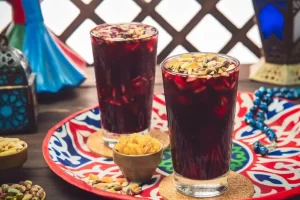
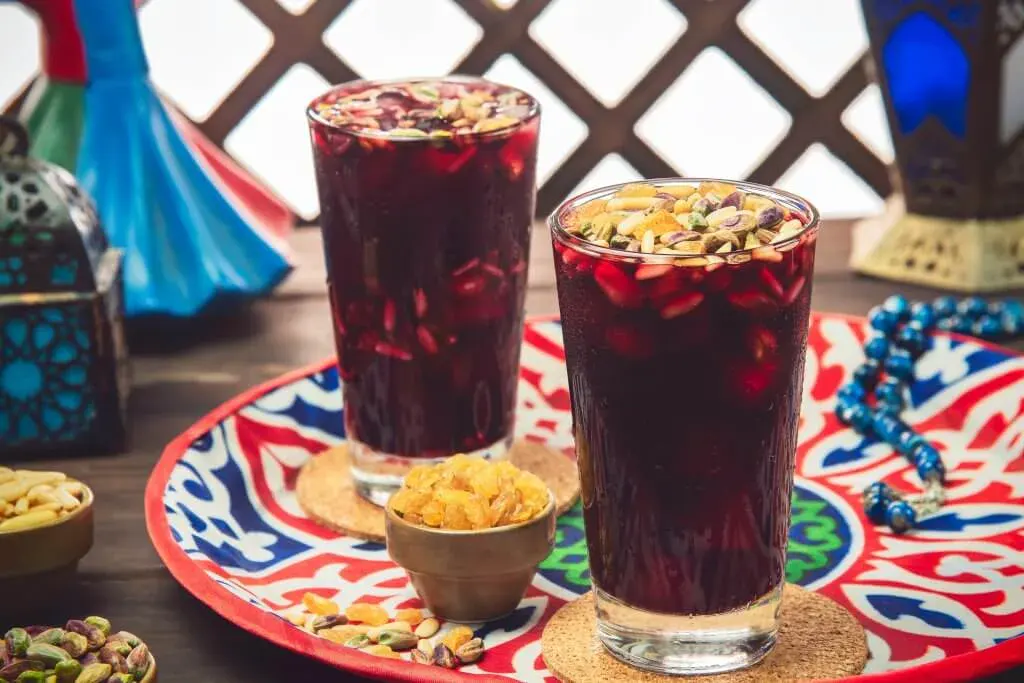
The Saudi version evolved into something distinct. It comes in colors, too. White sobia is the traditional barley version, red gets its hue from hibiscus or raspberry, and brown when tamarind joins the mix. Recipes have been passed down through generations, with each family adding their own touches. Some of the most famous Hijazi sobia families are Al-Khosha in Madinah, Al-Khodari and Al-Hussaini in Makkah, and the Hanbazaza family in Jeddah. Walking up to a trusted sobia vendor during Ramadan is less of a transaction and more of a reunion.
Qamar al-Din: The Moon That Comes Once a Year
The name alone is worth stopping for. Qamar al-Din means “Moon of the Faith,” and it is fitting for a drink that shows up every Ramadan then quietly disappears again for another year.
The Origin Story
Qamar al-Din is an apricot fruit leather dissolved into a thick, sweet nectar, specifically mentioned in a 13th-century Levantine recipe. It originates from what is now Syria, first produced in the Ghouta region, where the perfect variety of apricots grew. There is even a romantic story attached to its name. One theory holds it was named after a Syrian man so handsome he resembled the moon. Another says the apricot season once coincided with the sighting of the new moon that marked the beginning of Ramadan.
How It Made Its Way to Saudi Tables
From the Levant, Qamar al-Din made its way to Saudi iftar tables through trade routes during the 20th century. It is especially fortifying after a day of fasting, a good source of natural energy, electrolytes, and hydration. That combination of practical value and deep historical roots explains why it earned its place on Saudi Ramadan tables and never left.
Tamr Hindi: Tart, Ancient, and Completely Underrated
A Name That Tells You Everything
Tamarind, known across Saudi Arabia as Tamr Hindi (literally “Indian dates”), is a drink with roots stretching far beyond the peninsula. Made by soaking dried tamarind in water and sweetening it with sugar, it is one of the oldest and most beloved Ramadan drinks across the Arab world, helping to rehydrate the body after a long day of fasting.
Why It Works So Well at Iftar
It carries that beautiful tension between sweet and sour, which is exactly what a parched body craves at iftar. In the Hijaz, tamarind has been a companion to sobia for generations on the iftar table, the tart to sobia’s mild and grainy sweetness. In Makkah, the core iftar drink lineup of sobia, tamarind, and Qamar al-Din has stayed remarkably consistent for decades. This tells you everything about how deeply rooted traditional Saudi Ramadan drink customs really are.
Vimto: How a Manchester Tonic Became Saudi Ramadan Royalty
This is where the story gets genuinely surprising. One of the most beloved Ramadan drinks in Saudi Arabia was invented in 1908 in the rainy industrial north of England.
The Unlikely Journey to the Gulf
Vimto was created by John Noel Nichols as a herbal tonic meant to give people “vim and vigor,” originally called Vimtonic. It spread from the UK to India, and from India into the Gulf. An Indian employee of a Saudi family firm named Abdulla Aujan and Brothers introduced his bosses to the cordial, explaining it had become popular while India was still a British colony. The Aujan family started bringing Vimto to the Gulf in 1927, and by 1978 it was being produced locally in Dammam at one of the first beverage production plants in the entire region.
Why It Was Always Going to Work Here
What gave Vimto an unexpected edge was that it was born from the UK temperance movement, specifically designed as a non-alcoholic drink. A berry-flavored, energizing, alcohol-free cordial arriving at the iftar table made complete sense for Muslim households.
What It Means to Saudi Families Today
Saudi Arabia now holds a 90 percent market share in the cordial concentrated drinks market for Vimto, with over 20 million bottles produced annually for the GCC. Every mother prepares her Vimto differently, a ritual passed proudly from mothers to daughters. The idea that a drink from Manchester became so embedded in Saudi Ramadan identity that it carries generational family memory is remarkable. It shows how open Saudi food culture has always been to things that simply fit.
From Family Barrels to Satellite TV Ads: The Commercial Turn
For most of their history, these drinks were homemade. Families sourced ingredients weeks ahead of Ramadan and the prep itself was part of the ritual. Over the 20th century, as lives got busier, the market responded. Sobia went from kitchen staple to street vendor product. Qamar al-Din sheets filled supermarket shelves. Vimto launched Ramadan campaigns on Arab satellite TV that achieved genuine cult status. Yet despite going commercial, none of these drinks fully lost their personal character.
Family-run sobia vendors still operate from barrels in Makkah and Madinah. People still seek out the same stalls their grandparents visited. Local Saudi brands like Milaf Cola have more recently entered the Ramadan beverage scene, reflecting a growing national interest in homegrown products and adding a modern Saudi identity to the iftar table.
The Real Story Behind Every Sip
The history of Ramadan drinks in Saudi Arabia is not really about beverages at all. It is about how a culture absorbs, adapts, and makes things entirely its own. Sobia arrived with Egyptian pilgrims. Qamar al-Din traveled through Levantine trade routes. Vimto came from England via India. Tamr Hindi carries its South Asian origins right there in its name.
All of them landed on the Saudi iftar table and never left. Why? Because they were useful, delicious, and over time became wrapped up in memory and meaning. For a Saudi family sitting down to break their fast, that first cold sip is not just hydration. It is history and family, and it is the same glass their parents raised before them, and their grandparents before that.
FAQs
What is the history of Ramadan drinks in Saudi Arabia?
Ramadan drinks in Saudi Arabia developed over centuries as a practical response to the desert climate and long fasting hours. Drinks like Sobia arrived through Egyptian pilgrim caravans, Qamar al-Din traveled from the Levant via trade routes. Even Vimto made its way from England through India into the Gulf. Over time, these beverages became deeply tied to Saudi iftar culture, hospitality, and family tradition.
What are the most traditional Ramadan drinks in Saudi Arabia?
The most traditional Ramadan drinks in Saudi Arabia are Sobia, Qamar al-Din, and Tamr Hindi (tamarind).
Why is Vimto so popular during Ramadan in Saudi Arabia?
Vimto became popular in Saudi Arabia after the Aujan family introduced it to the Gulf market in 1927. It was originally invented in England as a non-alcoholic health tonic, which made it a natural fit for Muslim households.
What is Qamar al-Din and where does it come from?
Qamar al-Din is a sweet apricot nectar made from dried fruit leather dissolved in water. It originates from the Levant, specifically from the Ghouta region of Syria, where it was first produced and recorded in a 13th-century recipe.
How has the culture of Ramadan drinks in Saudi Arabia changed over time?
Historically, most Ramadan drinks in Saudi Arabia were homemade, with families preparing recipes passed down through generations. Over the 20th century, commercial production grew to meet demand, with street vendors, supermarkets, and major brands taking center stage. Today, local Saudi brands are also entering the Ramadan beverage market, reflecting a modern national identity at the iftar table while still honoring the deep cultural roots of these traditional drinks.
Follow us on Instagram for daily travel inspiration and untold stories from the Kingdom. Want more? Explore more experiences and stories in our Food and Drink category.
This article is brought to you by Soul of Saudi (a Saudi travel blog dedicated to uncovering the beauty, heart, and soul of the Kingdom).