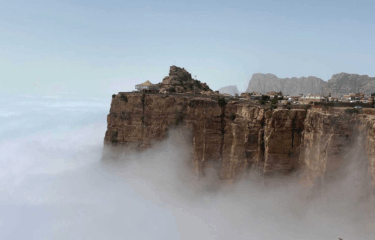










Tucked into the highlands of Al Baha Province, the Al Mandaq Mountains feel like a secret the land itself wants to keep. Just a short drive from Al Baha city, the peaks rise between 1,400 and 2,580 meters above sea level. The air here is cooler, the views endless, and the pace of life a little gentler.
Travelers come searching for something rare in Saudi Arabia: fog that drapes over valleys, trails that twist through ancient forests, and stone houses that have stood for centuries. The World Health Organization recently recognized Al Mandaq as a Global Healthy City, a title shared by only a handful of places in the Kingdom. That recognition is proof that this corner of the southwest is building a future while protecting its roots.
Fog and Weather That Shape the Mountains
The Al Mandaq Mountains are known for their fog. It curls around ridges, slips through valleys, and often hangs low enough to touch. On summer days, the mist gives the mountains a dreamlike quality. Photographers, hikers, and families come to watch the land transform before their eyes.
The climate is one of the biggest reasons Al Mandaq stands apart. Summers rarely climb above 30°C, making it one of the best summer road trips to Al Baha from Riyadh and Jeddah. In winter, temperatures drop near freezing, and the fog thickens, wrapping the region in mystery. Each season carries its own personality, inviting you to experience the land in a new way.
Nature and Outdoor Adventures
Al-Khulb Park is the heart of the highlands. Spread across green terraces, with walkways, sports areas, and family spaces, it feels like the mountains’ living room. Mist rolls in often, softening the edges of trees and valleys. It is a place where you can linger for hours without noticing time pass.
Close by, Wadi Dharak offers a different mood. The valley winds deep through the land, opening into scenic views perfect for hiking or photography. Trails in Al Mandaq lead through juniper and olive groves, with forests so dense they feel untouched. For those who love hiking, this is one of the best foggy mountains in Saudi Arabia to visit this summer.
Stories Written in Stone
Walk through the villages, and you’ll see houses made of thick stone blocks and wooden beams from native juniper and sidr trees. These traditional homes, often built several stories high, were designed to withstand mountain weather. Small windows kept interiors cool in summer and warm in winter.
Places like Al-Atalal Heritage Village preserve these traditions. Strolling through its narrow lanes feels like stepping back into a time when life moved to the rhythm of farming, gathering, and building with the land itself.
Agriculture and Flavors of the Highlands
Al Mandaq is rich in agriculture. Terraced farms cascade down hillsides, growing everything from grapes and figs to apples and pomegranates. Seasonal fruits fill local markets, carrying the flavor of cool mountain air and fertile soil.
The region also produces some of Saudi Arabia’s best honey. With diverse vegetation feeding local bees, Al Baha Province generates around 20% of the Kingdom’s total honey. Tasting it feels like tasting the mountains themselves.
Festivals, Food, and Travel Essentials
Traveling through the Al Mandaq Mountains is as much about people as it is about landscapes. During summer, festivals bring color and energy with performances, art shows, food stalls, and children’s entertainment. Families gather in parks, and visitors join in the celebration, making it one of the liveliest times to explore.
Food here feels honest. Local restaurants serve Kabsa and Mandi, often with views stretching across the fog-filled valleys. Accommodation ranges from hotels and chalets in Al Baha city to simple camping spots in the mountains for those who want to wake up surrounded by mist.
Planning Your Journey
Every season has something unique to offer:
- Spring brings wild blooms and mild hiking weather.
- Summer gives you cool escapes from Riyadh or Jeddah heat, making it perfect for a road trip itinerary to Al Mandaq and Al Baha.
- Autumn offers crisp skies for photographers.
- Winter transforms the highlands into a fog-draped retreat.
Whether you come for a weekend or a longer adventure, the Al Mandaq travel guide for tourists in 2025 is simple: pack light, bring a jacket, and give yourself time to slow down.
The Mist That Follows You Back
Al Mandaq Mountains are a blend of fog, forests, stone villages, and fresh honey. They are where Saudi summer trips shift from desert heat to highland coolness. They are proof that tradition and progress can share the same space without losing balance.
When you leave, you carry with you the calm of mist, the taste of fruit warmed by mountain sun, and the quiet pride of a region that has opened its doors to travelers while keeping its roots alive. In the story of Saudi Arabia’s landscapes, the Al Mandaq Mountains are a chapter you will want to read again and again.
FAQs
Where are the Al Mandaq Mountains located?
The Al Mandaq Mountains are in Al Baha Province, southwestern Saudi Arabia. They are part of the Sarawat Mountain range, just a short drive from Al Baha city.
What is the best time to visit the Al Mandaq Mountains?
The best time to visit is during summer (June to September) when temperatures are mild, rarely above 30°C. Winter offers a foggy, mystical atmosphere for those who enjoy cooler weather.
What can I do in Al Mandaq Mountains?
Popular activities include hiking through foggy trails, exploring stone villages, visiting Al-Khulb Park, and tasting local honey and seasonal fruits. Festivals in summer also add to the experience.
How do I reach Al Mandaq Mountains from Riyadh or Jeddah?
The most convenient way is by road. Many travelers take a road trip to Al Baha and continue into Al Mandaq. Al Baha also has a regional airport with connections to Riyadh and Jeddah.
Why are the Al Mandaq Mountains famous?
They are known for their fog-filled valleys, cool summer climate, historic stone villages, and rich agriculture. The region is also recognized by the World Health Organization as a Global Healthy City.
Follow us on Instagram for daily travel inspiration and untold stories from the Kingdom. Want more? Explore more experiences and stories in our Experience and Adventure category.
This article is brought to you by Soul of Saudi (a Saudi travel blog dedicated to uncovering the beauty, heart, and soul of the Kingdom).