








When you enter Al-Balad, you’ll find narrow alleyways open to sunlit courtyards. Wooden balconies lean out over coral-stone walls. The scent of oud drifts past open doors. There’s a feeling here that stays with you. And once you know the story behind it, the place feels even deeper.
Al-Balad is the heart of old Jeddah. A place shaped by pilgrims, traders, and families who lived by the sea and over time, it became more than a neighborhood. The history of Al-Balad heritage quarter became Jeddah’s story. And that story is still unfolding.
History of Al-Balad, Jeddah
Al-Balad has been part of Jeddah since the seventh century. It started as a small fishing village along the Red Sea, close to the port where pilgrims would dock before heading to Makkah. As trade grew, so did the town. Merchants brought goods from Africa, India, and the Levant. People brought stories, spices, and customs that gave the district its character.
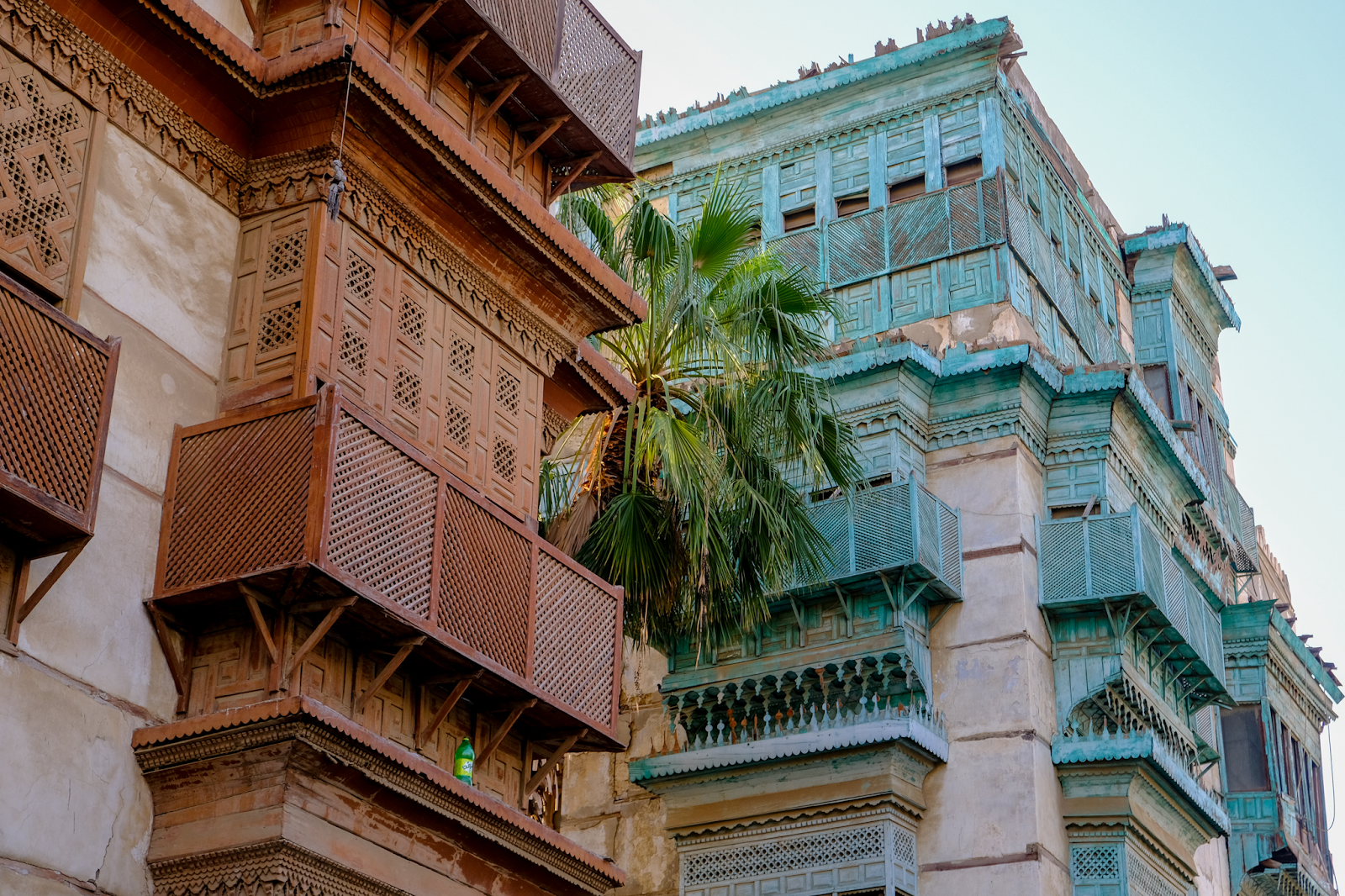
The buildings in Al-Balad tell you where the people came from. Their walls are made from coral stone pulled from the nearby coast. Their windows are covered with roshan screens — wooden lattice balconies that let in air while keeping the inside private. Every house, every souq, every mosque here holds a piece of that shared history.
Built to Last
What makes Al-Balad stand out is how it was built. The coral stone used in most homes came straight from the Red Sea. It’s lightweight but strong and can keep interiors cool through long, hot seasons. To protect it, builders covered the walls in lime plaster. Some homes are over a century old and still standing with their original materials.
Then there’s the woodwork. The roshan balconies stretch across upper floors, carved with care, often painted in deep greens and blues. These features did more than look beautiful. They let air move through the homes and gave women a way to watch the street without being seen. Smart design, passed down through generations.
Restoration and Revival of Al-Balad Heritage Quarter
For a while, Al-Balad began to fade. As modern Jeddah grew, many families moved to newer areas. Some buildings fell into disrepair. But the story didn’t end there.
In 2014, Al-Balad became a UNESCO World Heritage Site. This marked a turning point. More eyes turned toward the district, and with that came new attention. Crown Prince Mohammed bin Salman later stepped in to fund the restoration of dozens of homes. His support sparked a wave of revitalization that aimed to protect the past while opening doors for the future.
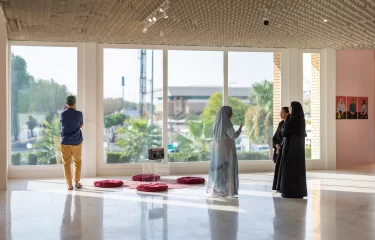
Now, Al-Balad is coming back to life. Historic homes are being turned into cultural centers and boutique hotels. Artists are leading exhibitions inside restored buildings. Old cafés are reopening. Streets that once stood quiet are now alive again with music, food, and light.
How to Visit the Historical Al-Balad Heritage Quarter in Jeddah
Al-Balad sits in central Jeddah, about a 20-minute drive from King Abdulaziz International Airport. It’s easy to reach by car or taxi. Parking can fill up quickly during peak hours, so it’s best to come early or later in the evening.
The district stays open around the clock, but shops and museums follow regular hours. The Nasseef House Museum, one of the most iconic stops, is open most days from morning until late evening. Souqs usually open mid-morning and stay open late into the night.
If you’re going in the summer, aim for an early morning or after sunset. Winters in Jeddah bring cooler temperatures and are ideal for walking the narrow alleys without the weight of the heat.
Best Times to Visit Al-Balad
The sweet spot for visiting Al-Balad runs from November to March. Days are cooler, nights are lively, and there’s always something happening. You can join walking tours that explain the architecture and stories behind the buildings. Some nights, you’ll find live music in the squares or pop-up art shows inside old homes.
Even in summer, though, Al-Balad has its moments. The crowds thin out, and you’ll feel like you have the place to yourself. As long as you avoid the peak midday sun, you can still enjoy quiet cafés and shaded courtyards.
Must-Visit Places in Al-Balad Heritage Quarter in Jeddah
Every visit brings something new, but these spots always leave a mark:
- Nasseef House
One of Al-Balad’s most iconic buildings. Walk through rooms filled with old photographs and climb up to the rooftop for views over the district. - Souq Al-Alawi
A traditional market filled with textiles, spices, perfumes, and gold. It’s loud, colorful, and full of energy. - Historic Mosques
Tucked between homes, you’ll find coral-stone mosques with prayer niches, old minarets, and courtyards that carry centuries of worship. - Cultural Festivals
Al-Balad hosts events throughout the year.
- Balad Beast brings global music and digital art to the streets.
- Balad Al-Fann showcases local crafts, workshops, and performances across old homes and rooftops.
- Balad Beast brings global music and digital art to the streets.
What Stays With You After You Leave
The charm of Al-Balad is in the small things. A man pulling open the wooden shutters of his shop just after Fajr. A woman setting trays of dates on a stone step near a doorway that’s been there for generations. Kids slipping through alleys that weave between buildings older than their grandparents.
The roshan windows catch the morning light like they always have. The smell of bread, thick with cardamom, drifts out from a bakery where the walls still hold their coral stone. And somewhere nearby, a guide points at a carved detail in the wood and says, this was done by hand, right here, a hundred years ago.
With its history, Al-Balad heritage quarter in Jeddah stays with you because it shows you the past in simple, honest ways. And once you’ve been, it’s easy to picture yourself there again.
FAQs
What is the history of Al Balad in Jeddah?
Al Balad dates back to the 7th century and served as Jeddah’s old town and main port for pilgrims heading to Makkah. It became a hub for trade, culture, and architecture.
Why is Al Balad important in Saudi heritage?
Al Balad holds centuries of coral-stone architecture, traditional roshan windows, and cultural history. It represents Jeddah’s roots and is now a UNESCO World Heritage Site.
How is Al Balad being restored under Vision 2030?
The Saudi government launched large-scale restoration projects to preserve historic homes, improve infrastructure, and turn Al Balad into a cultural and tourism destination.
What is the best time to visit Al Balad Jeddah?
November to March offers the best weather for walking tours. Mornings and evenings are ideal for exploring markets, museums, and heritage sites.
What are the top things to see in Al Balad?
Highlights include Nasseef House, Souq Al-Alawi, historic coral-stone mosques, roshan balconies, and seasonal festivals like Balad Beast and Balad Al-Fann.
Follow us on Instagram for daily travel inspiration and untold stories from the Kingdom. Want more? Explore more experiences and stories in our History and Heritage category.
This article is brought to you by Soul of Saudi (a Saudi travel blog dedicated to uncovering the beauty, heart, and soul of the Kingdom).