








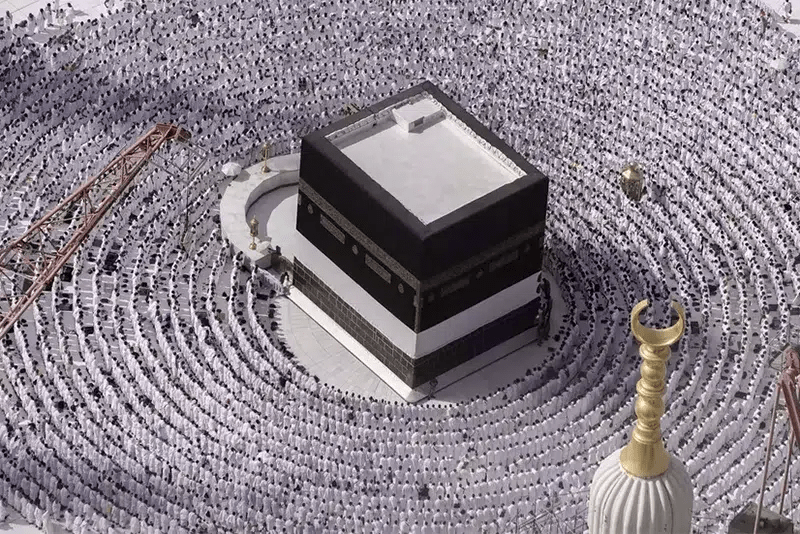
In the days leading up to Hajj, the atmosphere across Saudi Arabia begins to shift. Airports buzz with the arrival of pilgrims, signs in Makkah grow more multilingual on screens, and in households across the country, suitcases are packed with equal parts excitement and reverence. Hajj 2026 will be no different. But this year, a clear set of Hajj 2026 permit rules and guidelines will shape every step of the journey.
This guide simplifies what’s official, what’s required, and what to avoid. If you’re planning to perform Hajj or know someone who is, here’s everything you need to know.
Permit Applications Must Go Through Nusuk
The only approved platform for applying for a Hajj permit in 2026 is Nusuk. Launched by the Ministry of Hajj and Umrah, this online portal allows users to apply for permits, book packages, upload documents, and select services.
If you’re a Saudi citizen or resident, you can apply directly through Nusuk, provided you haven’t performed Hajj in the last five years. For international pilgrims, the process depends on your country of origin:
If you’re from one of the serviced countries, you’ll need to use Nusuk and work with one of the authorized Hajj agencies. If you’re from a non-serviced country, your Hajj application must go through your home country’s Hajj mission or licensed travel operator.
The Ministry of Hajj and Umrah began issuing Hajj 2026 visas as early as February 8, 2026 — the earliest launch on record. The last Umrah visa issuance was around March 19–21, 2026, after which systems closed to new applications to prepare for the Hajj season.
Entry Rules and Movement Restrictions
From April 13, 2026, entry to Makkah is only possible with a special permit. Only those with official residence permits in Makkah, holders of official Hajj permits, and employees with electronic work permits issued through the Tasreeh, Absher Afrad, and Bawaba Muqim platforms can enter the city. Through platforms like Absher, pilgrims will be able to use an official digital ID while travelling between Hajj sites, reducing the need to carry physical documents throughout the journey. Passports will still be required for entering Saudi Arabia, though daily movement during Hajj is expected to become faster and more convenient.
From April 18, entry and stay in Makkah for all visa holders of any type, except for the Hajj visa, is prohibited. This includes a temporary suspension of Umrah permits from April 18 to May 31.
International pilgrim arrivals are scheduled from April 18 to May 21, with Hajj expected to take place between May 24 and May 29, 2026. Visit visa holders, tourists, and business travelers are not permitted in Makkah during this time, even if they’ve previously entered the country.
Pilgrims must comply with their designated arrival and departure windows. Staying beyond these dates violates Hajj 2026 permit rules and guidelines and may result in legal action.
Strict Penalties for Unauthorized Hajj
The Ministry of Hajj and Umrah has introduced clear consequences for violating permit rules in its Hajj 2026 guidelines:
A fine of up to SAR 20,000 for performing Hajj without a permit, or for entering or remaining in Makkah and the Holy Sites without authorization during the Hajj period.
A fine of up to SAR 100,000 for anyone who applies for a visit visa for a person who performs or attempts to perform Hajj without a permit, transports visit visa holders to Makkah and the Holy Sites, or shelters or assists unauthorized pilgrims in remaining in Makkah.
Deportation and a 10-year entry ban for foreign nationals who violate Hajj regulations. Confiscation of any vehicle used to transport unauthorized pilgrims.
The penalties apply regardless of visa type. Holding a visit visa doesn’t allow you to perform Hajj. These enforcement efforts are key parts of the Hajj 2026 permit rules and guidelines to maintain order during the pilgrimage.
New Makkah Entry Rules for 2026
Saudi Arabia now allows several eligible groups to apply for Makkah entry permits online through the Absher platform during the Hajj season. The fully digital process helps streamline approvals as authorities continue enforcing permit-only access to Makkah during pilgrimage periods.
Eligible categories include:
- GCC citizens
- Premium Residency holders
- Investors
- Non-Saudi mothers of Saudi citizens
- Non-Saudi family members
- Domestic workers
Special Measures for Select Nationalities
Saudi Arabia has suspended the issuance of visit visas for select nationalities during the Hajj season. Pilgrims are warned to book only through licensed operators and official platforms amid rising fraudulent Hajj campaigns and fake online advertisements. Nationals from countries previously subject to single-entry visa restrictions should check the latest guidance from their home country’s Hajj mission or the Saudi Embassy before making arrangements.
Eligibility Criteria: Age, Status, and Health
To ensure safety and accessibility, Saudi Arabia has outlined the following requirements:
Children under 12 are not allowed to participate in Hajj 2026. Saudi Arabia reversed an earlier decision to raise the minimum age to 15, meaning children above 12 years old remain eligible.
Saudi citizens and residents must not have performed Hajj in the last five years. First-time pilgrims are given priority.
New for 2026, specific medical conditions result in automatic disqualification from the pilgrimage. Individuals with advanced kidney failure requiring dialysis, heart failure with symptoms at rest, advanced liver cirrhosis, chronic lung diseases requiring continuous oxygen, or advanced dementia and severe motor disabilities are not permitted to perform Hajj.
Applicants must also submit complete documents, including a valid passport, recent photo, health certificate, and, for international female pilgrims, proof of relationship with a mahram. These steps are part of the broader Hajj 2026 permit rules and guidelines intended to streamline and secure the pilgrimage experience.
Vaccination is Mandatory
The Ministry of Health has instructed pilgrims to receive recommended vaccinations at least 10 days before Hajj, including meningococcal disease, Covid-19, and seasonal influenza vaccines. Depending on your nationality and medical history, additional vaccines such as yellow fever and polio may also be required. Saudi residents must obtain health clearance through the Ministry of Health.
Choosing a Package: What Are Your Options?
Saudi Arabia continues to offer a range of Hajj packages across multiple tiers:
- Standard: Stays in 3-star hotels with access to basic camps.
- Standard Shifting: Mix of 3- and 4-star stays with more affordable pricing.
- Premium: 4-star hotels and structured site visits.
- Premium Shifting: Combines quality lodging and flexible location changes.
- Luxury: 5-star accommodations with top services.
- Luxury Shifting: A premium experience that rotates locations for added comfort.
Each package includes transportation, meals, and access to the holy sites. The Nusuk platform now supports instalment-based deposits, allowing pilgrims to pay for their journey in stages rather than a single lump sum. Booking early ensures better availability and pricing.
Avoiding Common Permit Violations
Here’s how to avoid fines and penalties for Hajj 2026:
- Always apply through Nusuk.
- Avoid third-party agents making false promises.
- Don’t travel to Makkah without a valid Hajj permit.
- Don’t host or transport anyone without proper documentation.
- Monitor official updates for last-minute changes.
Saudi Hajj regulations are meant to create a safe and smooth experience. Following the guidelines protects you and those around you.
FAQs
What are the Hajj 2026 permit rules and guidelines for Saudi residents?
Saudi residents must apply through the Nusuk platform and must not have performed Hajj in the past five years. They must also submit valid documentation and obtain a health certificate before travel.
Can I perform Hajj 2026 on a tourist or visit visa?
No, visit or tourist visa holders are not allowed to perform Hajj. According to Hajj 2026 permit rules and guidelines, only individuals with approved Hajj permits can enter Makkah during the Hajj season.
What is the penalty for performing Hajj without a permit in 2026?
Performing Hajj without a valid permit can result in a fine of SAR 20,000. Transporting or assisting unauthorized pilgrims can lead to fines up to SAR 100,000, deportation, and a 10-year entry ban.
How do I apply for a Hajj permit through Nusuk in 2026?
Visit the Nusuk Hajj portal, create an account, upload required documents, choose your Hajj package, and make payment. This is the only approved method under the Hajj 2026 permit rules and guidelines.
What vaccinations are required for Hajj 2026?
The Ministry of Health has instructed pilgrims to receive recommended vaccinations at least 10 days before Hajj, including meningococcal disease, Covid-19, and seasonal influenza vaccines. Depending on your country of origin, other vaccines like polio or yellow fever may also be required before travel.
Follow us on Instagram for daily travel inspiration and untold stories from the Kingdom. Want more? Explore more experiences and stories in our Religious and Spiritual category.
This article is brought to you by Soul of Saudi (a Saudi travel blog dedicated to uncovering the beauty, heart, and soul of the Kingdom).