









There is a whole world of Saudi food content out there. Somehow Hijazi desserts keep getting pushed to the back of the line. People talk about kabsa, about mandi, about harees, but the sweets of the Hijaz region? Quietly legendary, deeply historical, and honestly some of the most interesting things you will ever put in your mouth. If you have never heard of Dibyaza or Masoob, consider this your introduction. And if you grew up with these on your iftar table, this one is going to hit different.
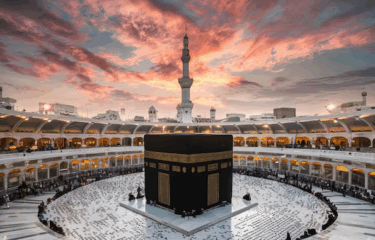
The Hijazi region, which covers the western stretch of Saudi Arabia including Jeddah, Makkah, and Madinah, sits at the historic heart of the Arabian Peninsula. For centuries, pilgrims from across the world passed through these cities on their way to and from the holy sites. With them came ingredients, techniques, and flavors that slowly got absorbed into the local kitchen. Hijazi region desserts are the delicious result of that centuries-long exchange, and each one carries a story worth knowing.
Dibyaza: The Dessert That Smells Like Eid Morning
If there is one dessert that defines Hijazi region desserts more than any other, it is Dibyaza. It is so deeply associated with Eid Al Fitr in Makkah and Madinah that the smell of Dibyaza is said to precede the sighting of the Eid moon itself. Families begin making it a day or two before Eid. The whole process is a family affair in the truest sense.
What It Actually Is
Dibyaza is a baked dessert associated with festivity and joy. It is made from dried apricot paste, raisins, dates, dried figs, and an assortment of nuts including almonds, cashews, pistachios and hazelnuts. The result is a thick, jammy, marmalade-like mixture that sits somewhere between a preserve and a pudding. It is rich, intensely flavored, and completely unlike anything you will find in a modern dessert shop.
Where It Comes From
The origins of Dibyaza trace back to Makkah. Here it was initially a luxury reserved for the wealthy due to the cost of nuts. Over time it became accessible to everyone, but it never lost its association with celebration and generosity. No one can fully trace the origins of Dibyaza. Some claim it came from Turkey, while others attribute it to India, and a number of women famous for their Dibyaza agree it is essentially a Makkawi dish.
How It Is Eaten
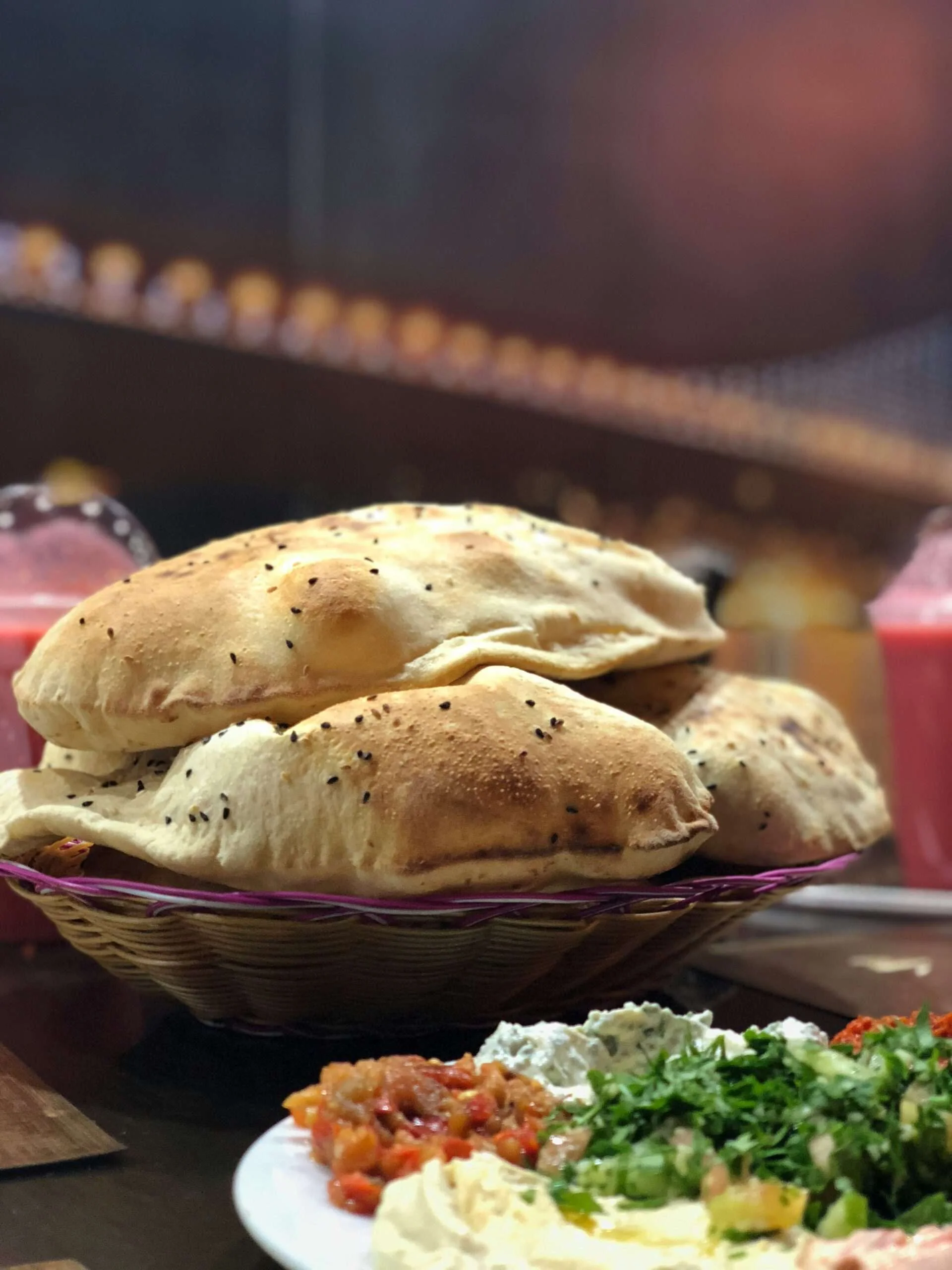
Dibyaza is often enjoyed with shureik, a donut-shaped bread sprinkled with sesame seeds. It is served as part of the Ta’ateemah, the traditional Hijazi Eid breakfast spread, alongside cheeses, olives, labneh, and other nawashif. Sweet shops sell it by the kilo during the season, but most Hijazis will tell you it is always better homemade, because of all the love that goes into making it.
Labaniyah: The Milk Sweet You Have Probably Never Heard Of
Labaniyah is one of those desserts that is so quietly embedded in Hijazi culture that people who grew up with it barely think twice about it, while everyone outside the region has no idea it exists. That needs to change.
What It Is
Labaniyah is made from sugar, milk, and water, and the final taste is rich. Historically it was even richer when fresh cow’s milk was used, but nowadays alternatives are combined with water to keep it light and easier to digest. It is a milk-based confection with a soft, delicate texture, sitting somewhere between a sweet and a dessert, the kind of thing that does not photograph spectacularly but tastes like it was made by someone’s grandmother who has been perfecting it for forty years.
Where to Find It
One of the most famous purveyors of traditional Hijazi sweets including Labaniyah is the Halawani family, whose sweet shop in the Al-Faisaliah area of Makkah has become a household name. The Halawanis have worked for generations making sweetmeats, with secret family recipes passed carefully from one generation to the next. Finding authentic Labaniyah outside of traditional Hijazi sweet shops is genuinely difficult, which is part of what makes it worth seeking out.
Masoob: The Banana Pudding That Defies Description
Masoob is the kind of dessert that sounds strange when you describe it and then completely wins you over when you eat it. It is one of the most beloved comfort foods across the Hijaz, and once you have had it warm on a winter morning, you will understand why.
What It Is
Masoob is a traditional pudding made from over-ripe bananas, ground flatbread, cream, cheese, and honey, with optional toppings of dates, nuts, and raisins. The combination is sweeter than you expect, earthier than you anticipate, and richer than it has any right to be given how simple the ingredients are. At its heart, Masoob is the art of hand-mashing that balances the crunch of bread, the sweetness of bananas, and the richness of cream.
Its Place in Hijazi Life
The roots of Masoob go back to ancient Hijazi folk cuisine. It was considered a staple meal for laborers and pilgrims due to its high capacity to provide satiety and energy for long periods. It traveled into the Hijaz through Yemeni and Hadhrami communities who settled in the region over centuries. And, was gradually absorbed so completely into the local food culture that most people in Makkah, Jeddah, and Madinah now consider it firmly their own. It is served as both a breakfast and a dessert. In the Hijazi version it often arrives hot and bubbling, which is something else entirely.
Ma’amoul: The Cookie That Connects Every Celebration
No roundup of Hijazi region desserts is complete without Ma’amoul. These are the small, intricately molded shortbread cookies filled with dates, nuts, or figs. They appear on every guest table from Eid morning through the entire celebration period. Although found across the Arab world, in the Hijaz they hold a particular place, always present, always associated with welcome and hospitality.
The cookies get their distinctive patterned exterior from carved wooden molds, and the shape of the mold traditionally indicates what is inside. Date-filled Ma’amoul is the most common in Saudi Arabia, but walnut and pistachio versions are equally beloved. They pair beautifully with Arabic coffee. They are the kind of thing you find yourself eating three of before you even realize it.
Why Hijazi Region Desserts Are Worth Your Full Attention
What makes Hijazi region desserts more special is not just how they taste but what they represent. Each one carries the fingerprints of trade routes, migration, and centuries of cultural exchange. Dibyaza carries echoes of Ottoman and Egyptian sweet traditions. Masoob arrived through Yemeni and Hadhrami communities. Labaniyah belongs to a lineage of milk-based confections that Hijazi sweet families have quietly perfected for generations.
These are not just desserts. They are edible history. In a food world that is increasingly dominated by the same matcha croissants and lotus spread everything, there is something deeply satisfying about a bowl of warm Dibyaza made the way it has been made in Makkah for hundreds of years.
If you are in Jeddah, Makkah, or Madinah, seek out a traditional Hijazi sweet shop. Order whatever they have behind the glass. You will not regret it.
FAQs
What are the most famous traditional Hijazi desserts in Saudi Arabia?
The most well-known Hijazi region desserts include Dibyaza, a rich apricot and nut preserve served at Eid, Labaniyah, a delicate milk-based sweet from Makkah, Masoob, a warm banana and bread pudding, and Ma’amoul, the date-filled shortbread cookies that appear at every celebration.
What is Dibyaza and when is it served?
Dibyaza is a thick, marmalade-like Hijazi dessert made from dried apricot paste, dried fruits such as figs and dates. It is traditionally served on the morning of Eid Al Fitr as part of the Ta’ateemah breakfast spread. It is most strongly associated with Makkah and Madinah, where families prepare it together a day or two before Eid.
What is Masoob and where does it come from?
Masoob is a warm pudding made from mashed ripe bananas, ground flatbread, cream, and honey, typically topped with nuts, raisins, and sometimes a sprinkle of cheddar. It originated in Yemen’s Hadhramaut region,
Are Hijazi desserts different from other Saudi regional sweets?
Yes. Hijazi region desserts reflect the unique history of the western Arabian Peninsula. Here centuries of pilgrimage, trade, and immigration from Egypt, the Levant, Yemen, and beyond shaped a distinct culinary identity.
Where can I find authentic Hijazi sweets in Saudi Arabia?
Traditional Hijazi sweet shops in Makkah, Madinah, and Jeddah are the best places to find authentic Hijazi region desserts.
Follow us on Instagram for daily travel inspiration and untold stories from the Kingdom. Want more? Explore more experiences and stories in our Food and Drink category.
This article is brought to you by Soul of Saudi (a Saudi travel blog dedicated to uncovering the beauty, heart, and soul of the Kingdom).