








Saudi Arabia is reshaping how the world views climate action. Through the Green Initiative Saudi Arabia, the Kingdom is tackling environmental challenges head-on, setting clear goals to reduce emissions, plant 10 billion trees, and protect 30 percent of its land and marine areas. It’s a national movement built on science, long-term planning, and genuine commitment to restoring balance between growth and nature.
What is the Green Initiative Saudi Arabia
Launched in 2021 by Crown Prince Mohammed bin Salman, the Saudi Green Initiative (SGI) sits at the heart of Vision 2030. It unites government, private sector, and community efforts to drive real environmental progress. The initiative focuses on three priorities:
- Lowering carbon emissions
- Increasing vegetation
- Conserving biodiversity on land and sea
Across these areas, SGI supports over 80 projects with investments crossing $180 billion. These projects range from renewable energy and tree-planting to wildlife conservation and marine protection. Every goal under the Green Initiative Saudi Arabia aims to make Saudi Arabia a leader in sustainable living across the Middle East.
Cutting Carbon Emissions and Shaping a Cleaner Energy Mix
Saudi Arabia plans to reach net-zero emissions by 2060 through what it calls a Circular Carbon Economy, a model that focuses on reducing, reusing, recycling, and removing emissions. The near-term target is to cut 278 million tons of carbon annually by 2030.
Half of the Kingdom’s electricity will come from renewable energy by 2030. Projects like the Sudair Solar Power Plant, which powers 185,000 homes, and the Dumat Al Jandal Wind Farm, the country’s first utility-scale wind project, are already showing progress. Combined with dozens of solar and wind projects, the total renewable energy capacity under development exceeds 40 GW, which is enough to power millions of homes.
The Green Hydrogen Project in NEOM represents another major step. Once operational, it will produce up to 600 tonnes of carbon-free hydrogen per day, avoiding 5 million tonnes of emissions every year. Alongside this, new carbon capture facilities in Jubail and Uthmaniyah are being built to remove millions of tonnes of CO₂ from the atmosphere annually.
All these efforts place the Green Initiative Saudi Arabia among the world’s leading national programs for clean energy transition.
A Plan to Plant 10 Billion Trees
Perhaps the most symbolic part of the Saudi tree-planting campaign is its scale: 10 billion trees grown across the country. It’s an ambitious goal, but it’s backed by data and careful mapping.
The Ministry of Environment, Water, and Agriculture, together with the National Center for Vegetation Development, studied soil and water conditions across more than a thousand sites. This was done to identify areas suitable for planting with the aim is to rehabilitate about 75 million hectares of land, starting with the restoration of 3.8 million hectares by 2030.
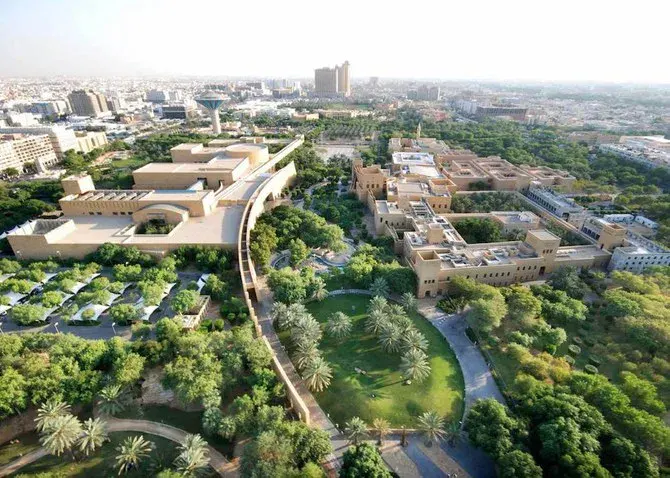
Over 100 million trees and shrubs have already been planted, with degraded land restored to productive ecosystems. Programs like Green Riyadh, which will plant 7.5 million trees in the capital, are transforming urban areas and improving air quality. The results are visible with greener parks, lower urban temperatures, and cleaner air for city residents.
Tree planting also opens new opportunities for work. The Green Initiative Saudi Arabia will create over a million jobs in fields such as forestry, landscaping, and environmental services.
Protecting Land, Sea, and Wildlife
A key goal of the Saudi Arabia biodiversity protection plan is to safeguard 30 percent of the Kingdom’s land and marine zones by 2030. Already, 18 percent of land and 6 percent of marine areas are under protection.
The country now manages nearly 80 protected sites. These include King Salman Royal Nature Reserve, Sharaan Nature Reserve, and the newly listed Uruq Bani Ma’arid World Heritage site. Each of these areas supports endangered species and helps balance fragile ecosystems.
Since 2021, more than 7,000 endangered animals have been reintroduced to the wild, including Arabian oryx, gazelles, and ostriches. The Arabian Leopard Breeding Center in Taif recently welcomed leopard triplets.
The Kingdom’s marine protection programs are also expanding. By 2030, 100 million mangrove trees will be planted along the Red Sea and Arabian Gulf. Over 6 million mangrove seedlings are already in place, restoring shorelines and providing habitats for fish and coral. Coral reef restoration projects near NEOM and KAUST’s Reefscape Initiative at Shushah Island are strengthening Saudi Arabia’s marine biodiversity for generations ahead.
Building a Circular Economy
Reducing waste is another pillar of the Green Initiative Saudi Arabia. The Kingdom is building a national system to recycle up to 95 percent of its waste by 2040. The Riyadh Integrated Waste Management Project is leading this shift by recycling construction debris, reusing materials, and turning waste into energy.
The Saudi Investment Recycling Company (SIRC) is driving this transformation, aiming to eliminate the country’s dependence on landfills and create a thriving circular economy. Waste management reforms are expected to contribute $30 billion to GDP by 2040, showing how sustainability can support economic growth.
Cleaner Transport and Energy Efficiency
Transportation and energy use are central to reducing emissions. The Saudi Energy Efficiency Program has already saved over half a million barrels of oil equivalent per day through smarter energy practices in industry, housing, and transport.
Electric mobility is another focus. Riyadh aims for 30 percent of all vehicles to be electric by 2030. Charging networks are expanding in major cities, and logistics companies are adopting electric trucks and vans to decarbonize fleet operations.
The transition is steady and practical, built on real infrastructure, skilled workers, and long-term investment in renewable power to support cleaner transport.
Expanding Environmental Leadership Across the Region
The Middle East Green Initiative, also launched by Saudi Arabia, extends these goals to the wider region. It brings together more than 50 countries to coordinate carbon reduction, tree planting, and land restoration. The regional plan includes 50 billion trees, with 10 billion planted in Saudi Arabia and 40 billion across neighboring countries.
Saudi Arabia has committed $2.5 billion to support these efforts. While also continuing to establish regional hubs for carbon capture, storm monitoring, and sustainable fisheries. The goal is to share solutions that work and help the region face climate challenges together.
Shaping a Future Where Progress and Nature Grow Together
The Green Initiative Saudi Arabia is not a slogan. It’s a complete framework that changes how the country manages energy, land, and life itself. It connects every part of society, from engineers building solar plants to communities restoring mangroves along the Red Sea.
Each tree, each solar panel, and each conservation site tells the same story. A country determined to protect what it has and rebuild what it lost.
By 2030, Saudi Arabia aims to generate half of its electricity from renewables, plant hundreds of millions of trees, restore millions of hectares of land, and safeguard its seas and wildlife. By 2060, it seeks to reach net-zero emissions, a milestone that places the Kingdom among the world’s leading climate action nations.
FAQs
What is the goal of the Green Initiative Saudi Arabia?
The Green Initiative Saudi Arabia aims to make the Kingdom a global leader in environmental sustainability. Its main goals are to reduce carbon emissions. As well as plant 10 billion trees, and protect 30 percent of Saudi Arabia’s land and marine areas by 2030.
How does Saudi Arabia plan to plant 10 billion trees?
The Ministry of Environment, Water, and Agriculture has mapped areas suitable for tree planting based on soil, water, and climate studies. The plan combines modern irrigation systems, seed-scattering techniques, and partnerships with the private sector to restore nearly 75 million hectares of land across Saudi Arabia.
What is Saudi Arabia doing to reduce carbon emissions?
Saudi Arabia is shifting toward renewable energy. It aims for 50 percent of its electricity to come from clean sources by 2030. The Kingdom is also developing carbon capture projects and investing in green hydrogen to achieve net-zero emissions by 2060.
How is Saudi Arabia protecting its marine and coastal environments?
The initiative includes planting 100 million mangrove trees along the coast restoring coral reefs, and establishing new marine protected areas. These efforts help preserve biodiversity and strengthen natural defenses against erosion and rising sea levels.
Follow us on Instagram for daily travel inspiration and untold stories from the Kingdom. Want more? Explore more experiences and stories in our Lifestyle and Wellness category.
This article is brought to you by Soul of Saudi (a Saudi travel blog dedicated to uncovering the beauty, heart, and soul of the Kingdom).