









Every year, millions of Muslims travel to Saudi Arabia to perform the sacred journeys of Hajj and Umrah pilgrimages that symbolize faith, unity, and devotion. As the Kingdom continues its transformation under Vision 2030, new measures have been introduced to make these pilgrimages safer, more organized, and spiritually fulfilling.
The Guidelines for Hajj and Umrah Workers and Pilgrims 2026 serve as the most comprehensive framework yet, regulating everything from entry procedures and health requirements to worker conduct and digital compliance systems. If you’re planning your first Umrah or preparing to guide pilgrims during Hajj season, this is the one guide you will want to certainly bookmark.
Understanding Saudi Arabia’s Hajj & Umrah System
Hajj, the fifth pillar of Islam, is performed once a year during Dhul Hijjah, while Umrah can be performed year-round. Ministry of Hajj and Umrah (MoHU) oversees both, working closely with the Ministry of Health, the Saudi Passports Authority, and other entities to ensure smooth coordination across all stages from visa issuance to accommodation, transport, and crowd management.
Recent reforms have modernized this system with technology-driven solutions, such as digital permits, biometric verification, and AI-based crowd control tools, all part of Saudi Arabia’s larger effort to elevate the pilgrim experience while maintaining the highest standards of safety and governance.
To help travelers prepare, the Kingdom is introducing a series of official Guidelines for Hajj and Umrah Workers and Pilgrims 2026, which define every stage of the journey, from spiritual and physical to logistical.
Regulations For A Soulful Experience
The new rules aim to balance faith and safety. Saudi Arabia hosts millions of visitors every year, and with that scale comes the responsibility to protect lives, health, and sanctity. The updated policies ensure:
- Streamlined visa and entry protocols
- Enhanced hygiene and health measures
- Defined worker roles and accountability
- Prevention of overcrowding and unauthorized travel
- Compliance with Saudi laws and local customs
This modernization is part of a broader national reform, the same one behind policies like the New Umrah Visa Rule 2025, which simplified access for international travelers, and Free Nusuk App Access Without Data Usage, making it easier to manage permits digitally.
Applying for a Hajj or Umrah Visa
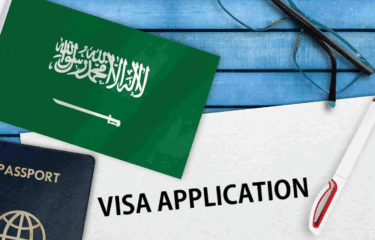
Before traveling, pilgrims must obtain a valid Hajj or Umrah visa through approved agents or digital platforms like Nusuk. The Guidelines for Hajj and Umrah Workers and Pilgrims 2026 emphasize accuracy in documentation and identity verification.
Required Documents:
- Valid passport (with six months of validity)
- Confirmed flight, transportation, and accommodation details (mandatory for Umrah)
Proof of vaccination (COVID-19, Meningitis, Polio, and Yellow Fever, where applicable) - Recent passport-sized photographs
Applicants are encouraged to use the Nusuk App, which offers step-by-step guidance on visa applications, itinerary planning, and ritual locations. Check out detailed insights on the new Umrah visa rules for 2025.
How to Book Hotels and Transport for Umrah 2025 Through Nusuk?
To meet the official Umrah visa hotel and transport booking requirements, pilgrims must make all reservations through the Nusuk Masar platform, the only government-approved system for Umrah-related services. Here’s how to do it step by step:
- Access the Nusuk platform: Visit www.nusuk.sa and navigate to the Masar section dedicated to Umrah travel.
- Browse approved hotels: Choose from officially licensed hotels that are verified and recognized by Saudi authorities for Umrah pilgrims.
- Book your transport services: Select from authorized transport options, including taxis, shuttle buses, or the Haramain High-Speed Railway for intercity travel.
- Complete your reservation: Enter your check-in and check-out dates, number of guests, and preferred mode of transport before proceeding with payment.
- Get your booking confirmation: This confirmation acts as your official proof of accommodation and transport and must be attached to your Umrah visa application.
Only bookings made directly through Nusuk Masar are valid for visa approval. Reservations made via third-party platforms or informal agents will not be recognized by the Saudi Ministry of Hajj and Umrah.
Health & Entry Rules for 2026
Health remains a central pillar of the 2026 pilgrimage framework. Only pilgrims who meet the physical and medical criteria set by the Saudi Ministry of Health will be permitted entry.
Key Health Requirements
- Medical Screening: Conducted at Saudi ports of entry; those with active infections or serious chronic conditions may be denied entry or quarantined.
- Pregnancy Restrictions: High-risk pregnancies are advised against travel.
- Health Certification: Every pilgrim must present a valid vaccination certificate.
Mandatory Vaccinations for Hajj 2026
- COVID-19: Saudi-approved vaccine, with the last dose administered between 2021-2025.
- Meningitis (ACWY): Within 5 years and at least 10 days before travel.
- Polio: For travelers from countries under polio surveillance.
- Yellow Fever: For travelers aged 9 months and older from affected regions.
For official updates, refer to the Saudi Embassy Health Requirements and the Hajj Policy 2026 document issued by the Ministry of Religious Affairs.
Worker Regulations & Responsibilities
Hajj and Umrah workers, including guides, service providers, and volunteers, are required to comply with a new professional code of conduct. The Guidelines for Hajj and Umrah Workers and Pilgrims 2026 highlight several important updates:
- Mandatory Training & Licensing: All workers must complete certified training on safety, hygiene, and pilgrim assistance.
- Uniform Identification: Every worker must wear an official badge and ID at all times.
Behavioral Standards: Workers are to maintain dignity, patience, and respect toward all pilgrims. - Emergency Response Readiness: Basic first aid and evacuation awareness are now mandatory for site staff.
- Compliance Audits: Routine digital checks ensure worker conduct and service quality meet ministry standards.
Accommodation & Travel Guidelines
With millions arriving from around the globe, accommodation management is a core part of Hajj and Umrah operations. Hotels near Haramain Railways must comply with safety and hygiene protocols approved by MoHU.
If you’re planning your stay, check out Soul of Saudi’s curated guide to the Best Umrah Hotels in Makkah, covering proximity, amenities, and family-friendly stays for pilgrims of all budgets.
Travel within the Kingdom is also strictly regulated during Hajj. Pilgrims are advised to use only official transportation channels or registered shuttle services to prevent delays or unauthorized movements.
Pilgrim Conduct & Safety Rules
Saudi Arabia’s pilgrimage code emphasizes respect, discipline, and community welfare. The updated framework calls for:
- Following designated walking routes and crowd flow systems.
Avoiding littering, unauthorized photography, or blocking pathways. - Cooperating with officials and following instructions during peak times.
- Refraining from trading, political demonstrations, or distributing materials.
Violations may lead to fines, permit cancellation, or deportation as part of the government’s zero-tolerance approach to safeguarding pilgrim welfare.
For first-timers, Soul of Saudi’s Umrah Tips 2025 provides practical advice on navigating rituals, cultural etiquette, and what to pack before your journey.
Key 2026 Updates for Hajj & Umrah
Saudi Arabia continues to innovate its pilgrimage management through digital infrastructure, safety automation, and inter-ministry coordination. Here are some of the latest 2026 updates:
- E-Gate Health Screening: Automated health verification at airports to reduce waiting times.
- Real-Time Tracking: Wearable technology monitors pilgrims’ movements for safety alerts
- AI-Based Crowd Management: Intelligent monitoring systems at Mina, Arafat, and Muzdalifah for optimized crowd control.
- Unified Worker Registry: Centralized system linking worker permits to training records.
- Eco-Friendly Initiatives: Waste management reforms and digital permits to reduce paper usage.
Preparing Spiritually & Logistically
A pilgrimage is not just about arrival, as it’s about readiness. Saudi authorities encourage all pilgrims to engage in proper preparation, both spiritual and practical. Before traveling, review the Can I Travel to Saudi Arabia on an Umrah Visa? guide to understand travel limits and visa flexibility.
Also, consider performing the Winter Umrah in cooler months to enjoy a more comfortable and crowd-free experience.
Digital Tools for Pilgrims
The Kingdom’s ongoing digital transformation has brought ease to every step of the pilgrim journey. Apps like Nusuk and Eatmarna allow users to:
- Book permits for prayers and rituals.
- Check real-time crowd density.
- Access guides and directions to sacred sites.
- View transportation schedules and hotel details.
Saudi Arabia’s digital-first approach ensures transparency, faster assistance, and better coordination between pilgrims, agencies, and authorities.
Violations Or Penalties
To maintain order and respect, Saudi Arabia enforces strict penalties for rule violations:
- Unauthorized entry into holy sites: Up to SAR 10,000 fine.
- Forgery of permits or documents: Immediate deportation.
- Commercial exploitation or crowd disruption: Heavy fines and license cancellation for workers.
- Health violations: Isolation, fines, or blacklisting.
These measures are part of Saudi Arabia’s broader legal modernization, similar in structure to the Saudi Arabia Municipal Rules 2025, ensuring accountability at every level.
Building a Safer, More Accessible Pilgrimage Experience
The Guidelines for Hajj and Umrah Workers and Pilgrims 2026 represent a balance between devotion and discipline with a system designed to honor faith while safeguarding millions. From digital permits to health verification, Saudi Arabia is reshaping the way pilgrims experience the sacred journey, ensuring that spirituality and safety coexist.
With visionary reforms and continuous innovation, the Kingdom’s pilgrimage ecosystem is entering a new era, one that mirrors its broader transformation under Vision 2030.
FAQs
What are the key updates in the Guidelines for Hajj and Umrah Workers and Pilgrims 2026?
The 2026 updates include new health screening protocols, vaccination mandates, AI-based crowd management systems, and digital permit verification through the Nusuk App.
Can elderly pilgrims or those with chronic illnesses perform Hajj 2026?
Only those meeting the health clearance criteria will be approved. High-risk cases may be advised to postpone their pilgrimage for safety reasons.
Are there new rules for Hajj and Umrah workers in 2026?
Yes. Workers must now complete certified training, carry valid identification, and adhere to behavioral standards monitored through digital audits.
What vaccinations are mandatory for Hajj 2026?
All pilgrims must have vaccination against COVID-19, meningitis (ACWY), polio (for certain countries), and yellow fever (for travelers from certain areas).
Can pilgrims use mobile apps to manage their trip?
Yes, digital platforms like Nusuk and Eatmarna help pilgrims book rituals, manage permits, and navigate sites easily.
Where can I find reliable updates about Hajj and Umrah in Saudi Arabia?
Official updates are available on the Ministry of Hajj and Umrah website and through verified sources like Saudi Embassy Health Requirements. For travel insights, visit Soul of Saudi’s Umrah Tips 2025 and related guides.
Follow us on Instagram for daily travel inspiration and untold stories from the Kingdom. Want more? Explore more experiences and stories in our Tourism and Hospitality category.
This article is brought to you by Soul of Saudi (a Saudi travel blog dedicated to uncovering the beauty, heart, and soul of the Kingdom).