









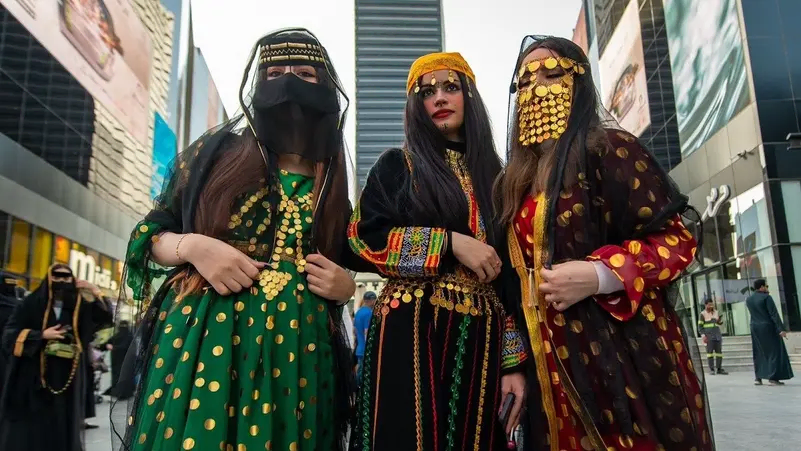
Every country carries its culture in many ways, but clothing has a way of speaking without words. In Saudi Arabia, the thobe, the abaya, and the shemagh are living symbols of identity, faith, and heritage that stretch from ancient deserts to modern cities. To walk the streets of Riyadh or Jeddah today is to see these traditions still alive, adapted to the pace of contemporary life yet deeply tied to history.
The Saudi national dress reflects more than appearance. It reflects values. It carries the practicality of desert living, the dignity of modesty, and the pride of a nation that honors its past while stepping into the future.
The Thobe and the Timeless Look of Saudi Men
The thobe, sometimes called a thawb, is the foundation of men’s traditional dress in Saudi Arabia. It is an ankle-length robe with long sleeves, usually cut from a single piece of fabric. The design may seem simple, but every detail is purposeful. Side pockets, an upper chest pocket, and different collar styles give the garment both function and character.
In summer, most men wear white thobes made of cotton or linen to stay cool. When winter arrives, darker shades like gray, beige, and black take over, often in heavier fabrics such as wool. This seasonal rhythm has existed for centuries, blending practicality with style.
Fabrics that Change with the Seasons
Climate shapes clothing in Saudi Arabia. Lightweight fabrics flow during the hot months, allowing air to move through. In cooler seasons, thicker materials bring warmth without sacrificing comfort. Cotton, silk, wool, and modern blends are all common, depending on the time of year and the occasion. This attention to fabric is part of what makes the thobe such a versatile garment for daily life.
Shemagh Ghutra and the Meaning Behind the Headscarf
To complete the Saudi look, men wear traditional head coverings. The shemagh and the ghutra are the most recognizable. Both are square scarves, usually about one meter by one meter. The plain white ghutra is often worn for daily use, while the red-and-white patterned shemagh has become an icon of Saudi identity.
The scarf is held in place by the agal, a black rope-like band, often worn over a small skullcap called the taqiyah. Together, they are practical shields against sun, wind, and dust, and they carry cultural meaning that links each generation to the one before.
The Bisht and the Elegance of Ceremony
For moments that call for dignity and formality, men wear the bisht. This cloak, often made of fine wool and trimmed with golden embroidery, drapes lightly over the thobe. It is worn at weddings, official gatherings, and national celebrations. Wearing a bisht signals respect, authority, and tradition. In Saudi culture, it has always been regarded as a garment of honor.
The Abaya as a Symbol of Grace and Modesty
For women, the abaya is the central piece of Saudi national dress. It is a long cloak that covers the body from the shoulders to the ankles, worn over everyday clothes. Traditionally black, the abaya has expanded into a wide spectrum of styles. Today, women may choose abayas with embroidery, colors, or patterns, balancing modesty with individuality.
Light fabrics like chiffon or crepe are used for daily wear, while silk or embellished designs appear on special occasions. Whether simple or ornate, the abaya remains a symbol of grace, modesty, and cultural pride.
Head Coverings and the Many Layers of Tradition
The abaya is often paired with a head covering. The shayla, a long scarf, is the most common, wrapped loosely around the head. Some women wear the hijab, which covers the head and neck, while others choose the niqab, which leaves only the eyes visible. These coverings vary by personal choice, family tradition, and the setting, but each represents continuity with values of modesty deeply rooted in faith and culture.
How Regions Shape Their Own Styles
Saudi Arabia’s size and diversity mean that clothing looks slightly different in every region. In Najd, the central area, thobes and abayas carry the classic forms most people recognize today. Along the Red Sea in the Hejaz, fabrics are richer and embroidery reflects international trade influences. In the south, bold colors and geometric patterns dominate, while the east favors lighter fabrics suited to coastal weather. Each region adds its own accent to the national dress.
Clothing as Identity, Faith, and Heritage
The Saudi national dress is not only about fabric and design. It is about identity. For men, wearing a thobe and shemagh affirms cultural pride. For women, the abaya represents faith and modesty while also offering beauty and elegance. In every thread, there is a reminder of the values that shape daily life.
It is also about heritage. These garments connect modern Saudi society to its ancestors, to Bedouins who crossed deserts, to merchants in ancient souks, and to generations who carried dignity through clothing.
Every September, Saudis wear green with pride and our overview of the Saudi National Day story honors unification, celebration, and national pride.
Dress in Today’s Saudi Arabia
Saudi society has evolved, and so has the way people dress. Traditional clothing remains essential for religious occasions, national holidays, weddings, and official events. At the same time, daily life allows for flexibility. Tourists and expatriates are welcome to dress modestly without needing to adopt the full Saudi wardrobe, though many visitors choose to try wearing the thobe or abaya as a gesture of respect.
In modern Saudi Arabia, tradition and modernity stand side by side. A young professional might wear a tailored thobe to the office, while a designer creates a contemporary abaya line for fashion shows. The garments continue to adapt without losing their essence.
Innovation in Fabrics and Craftsmanship
Behind every thobe, abaya, or bisht lies an industry that has grown over centuries. Tailors still hand-stitch ceremonial bishts, sometimes using gold thread in designs that take weeks to complete. At the same time, factories now produce high-performance fabrics that wick moisture or use sustainable blends. The balance between tradition and innovation ensures that Saudi national dress remains relevant and accessible.
The Industry that Keeps Tradition Alive
Traditional clothing is not only cultural. It is also economic. Markets for everyday wear, premium tailoring, and luxury ceremonial garments thrive across the Kingdom. Designers reinterpret old styles into modern collections. Family businesses pass down skills to younger generations. By wearing these clothes, Saudis support an economy of artisans and creators who keep heritage alive in every stitch.
Threads That Carry a Nation’s Story
To understand the Saudi national dress is to understand something deeper about the Kingdom itself. It is about continuity and change, about a society proud of its heritage while shaping its future. When you see the thobe, the abaya, or the shemagh, you are seeing the spirit of a nation woven into daily life.
For Saudis, wearing these garments affirms faith, pride, and connection. For visitors, appreciating them offers a window into culture and tradition. And for everyone, they remind us that clothing can carry meaning that lasts far beyond seasons or trends.
FAQs
What is the Saudi national dress for men and women?
For men, the Saudi national dress is the thobe, often paired with a shemagh or ghutra and agal. For women, it is the abaya, a loose cloak worn over clothing, usually paired with a headscarf.
Why do Saudis wear the thobe, abaya, and shemagh?
These garments reflect cultural identity, Islamic values of modesty, and practical adaptation to the desert climate. They also symbolize national pride and continuity.
What is the difference between the thobe and the abaya?
The thobe is a long robe worn by men, usually white or light in summer and darker in winter. The abaya is a flowing outer cloak worn by women, traditionally black but now available in many designs and colors.
What is the shemagh, and how is it different from the ghutra?
The shemagh is a red-and-white checkered headscarf often linked with Saudi identity, while the ghutra is a plain white headscarf. Both are secured with the black cord known as the agal.
Do tourists in Saudi Arabia need to wear the national dress?
No, tourists are not required to wear the thobe or abaya. However, modest dress is expected—shoulders, elbows, and knees should be covered, with head coverings required at mosques and religious sites.
Follow us on Instagram for daily travel inspiration and untold stories from the Kingdom. Want more? Explore more experiences and stories in our Arts and Culture category.
This article is brought to you by Soul of Saudi (a Saudi travel blog dedicated to uncovering the beauty, heart, and soul of the Kingdom).